Product categories
Body Care OEM Thailand: A Buyer's Guide to Building Your Own Line
Body care is one of the broadest categories a brand owner can commission in Thailand — lotions, body washes, scrubs, oils, balms and butters all fall under it, each with different
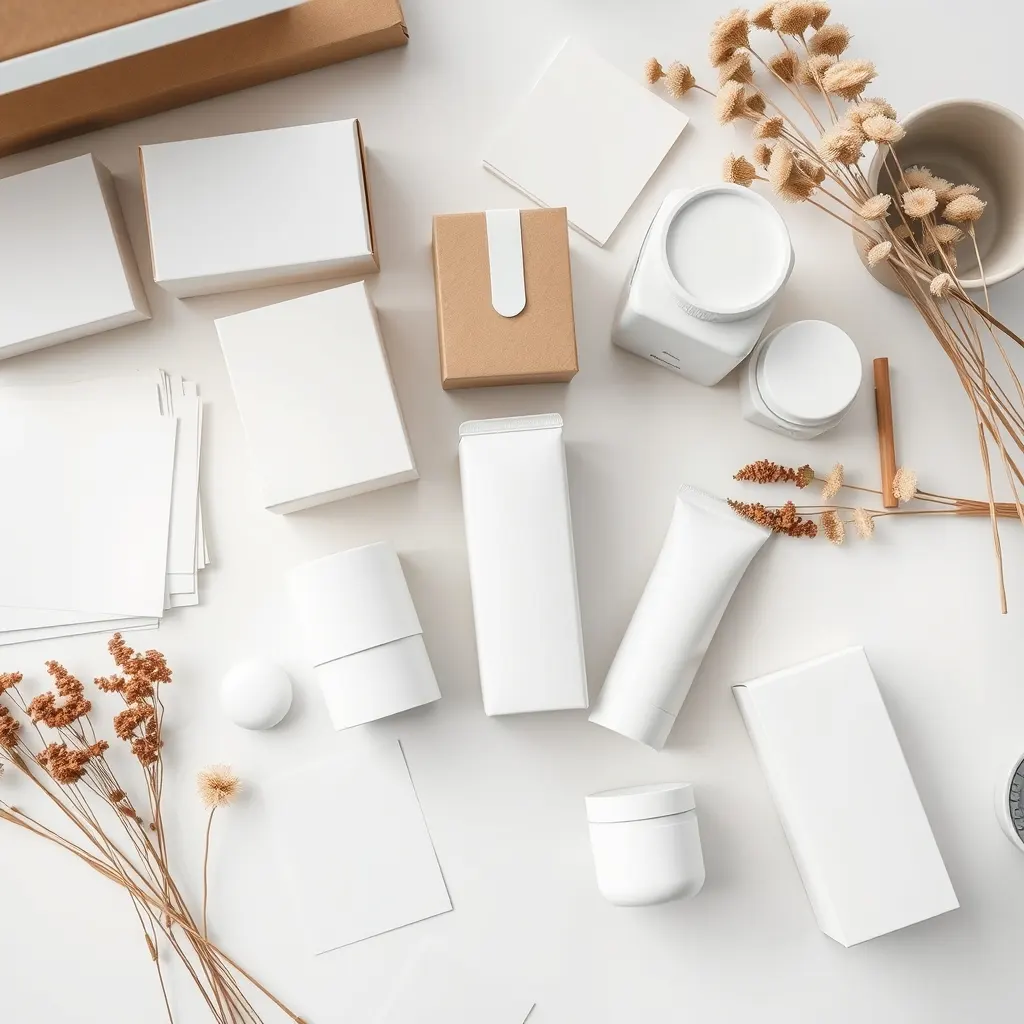
Body care is one of the broadest categories a brand owner can commission in Thailand — lotions, body washes, scrubs, oils, balms and butters all fall under it, each with different formulation and packaging demands. Because the category sits so close to skincare OEM and often overlaps with health supplement OEM lines in the same portfolio, brand owners weighing body care OEM Thailand options need to understand how factories scope projects, what decisions shape cost and timeline, and where packaging or compliance can quietly complicate an otherwise simple product. This guide walks through that process step by step.
What "body care OEM" actually covers
Body care is a wide bucket: moisturizing lotions and creams, shower gels and body washes, exfoliating scrubs, massage and dry oils, balms, and butters for hands or feet. Each sub-category has different base formulations, stability requirements and packaging norms. A lightweight lotion in a pump bottle behaves very differently in manufacturing and shelf testing than a thick balm in a jar or a scrub with suspended exfoliant particles. When you approach a manufacturer, it helps to be specific about the texture, finish (matte, oily, fast-absorbing) and any actives you want, since this determines which formulation lab or production line your project is routed to. Many factories that handle body care also run skincare OEM lines for the same brand owners, since face and body products often share base technology and can be developed in parallel.
OEM vs ODM: who designs the formula
In OEM (Original Equipment Manufacturer) arrangements, you bring your own formula or detailed brief, and the factory produces to that specification. In ODM (Original Design Manufacturer) arrangements, the factory offers an existing formula from its library that you can adopt as-is or adjust — faster to launch but less differentiated. For body care specifically, many brand owners start with an ODM base (a proven lotion or wash formula) and customize fragrance, color, viscosity or a hero ingredient, rather than commissioning a fully bespoke formula from scratch. Deciding which route fits your brand is one of the first conversations to have with your manufacturer, since it affects development time, sampling rounds and ultimately cost — all of which are confirmed at quotation rather than fixed in advance.

Packaging decisions that affect both cost and function
Body care packaging has its own constraints: lotions and washes typically need pumps or flip-top closures that dispense consistently; oils and serums may use droppers; scrubs and balms often go into wide-mouth jars. Sourcing cosmetic bottles and pumps that match your fill viscosity is a technical step, not just an aesthetic one — a pump rated for thin liquid won't perform well with a thick cream, and mismatches cause returns and complaints later. Thailand has a mature packaging supply chain, and working with established Thai packaging suppliers who already stock compatible bottle-and-pump combinations can shorten development time compared with custom tooling, though custom molds remain an option if your brand needs a distinctive shape. Decide early whether you need stock components or custom packaging, since lead times and minimums differ.
Where body care overlaps with other categories
Brand owners building a full personal-care line often source body care alongside adjacent categories from the same network of factories. Baby skincare, for instance, follows stricter formulation and testing conventions than adult body care — fewer fragrance components, gentler surfactants, and packaging that suits smaller fill sizes — so it's usually developed as its own line rather than a simple reformulation of an adult product. Similarly, brands expanding beyond topical products sometimes add a health supplement OEM item, such as a collagen or beauty-from-within capsule, to complement a body care range. Each of these categories has its own regulatory and formulation path in Thailand, so it's worth mapping your full product roadmap before committing to one factory's capabilities.

Thai FDA registration and export documentation
Cosmetic products manufactured in Thailand for domestic sale or export generally require notification with the Thai FDA before they can be sold, and the specific documentation needed depends on the product type and destination market. For body care items with active claims (whitening, anti-aging, SPF) the paperwork tends to be more detailed than for a simple moisturizing lotion. Manufacturers typically prepare the required local documents as part of the order, but if you're importing into another country, it's worth checking with your own customs broker or regulatory authority about what additional certificates or labeling your market requires, since import rules vary by country and change over time.
What to decide before requesting a quote
Before reaching out to a manufacturer, it helps to have clarity on: the product type and texture you want, whether you're pursuing OEM (custom formula) or ODM (existing base), your target packaging format, any ingredient positions you want to avoid or highlight, and your expected order volume. Standard industry practice for OEM cosmetic manufacturing in Thailand is a MOQ of 1,000 units per SKU, which applies across most body care formats. Pricing, sample costs and production timelines are confirmed once the factory has your full brief, since they depend on formula complexity, packaging choice and order size.
Need expert support?
Leave your details and our team will get back to you.
FAQ
Frequently asked questions
Can I combine body care with a health supplement OEM product in one order?
Topical body care and ingestible supplements are manufactured in separate facilities and under different regulatory frameworks, but many brand owners work with manufacturers or sourcing partners who coordinate both as part of a wider brand launch. Each line is quoted and produced independently.
Do I need different packaging for baby skincare than regular body care?
Generally yes. Baby skincare packaging tends to favor smaller fill sizes, softer dispensing (such as gentle pumps rather than aerosols) and tamper-evident features, reflecting both the sensitive user group and typically simpler, fragrance-light formulations.
How do I choose between stock and custom cosmetic bottles and pumps?
Stock components from established Thai packaging suppliers are usually faster to source and pair well with standard formulations, while custom bottles and pumps let you build a distinctive shape or branding element but involve tooling lead times. The right choice depends on your launch timeline and budget, which your manufacturer can advise on at quotation.
Is the MOQ the same for every body care format?
The standard reference point across OEM cosmetic manufacturing in Thailand is 1,000 units per SKU, and this generally applies whether you're ordering lotion, wash, scrub or balm. Exact terms are confirmed per project.
Prepared by the OEM Thailand team for informational purposes. Some links may lead to referred partners.
Articles
Related articles
What to Look For on a Cosmetic Factory Visit: A Walkthrough
Knowing what to look for on a cosmetic factory visit is mostly about knowing which rooms tell the truth. The meeting room is marketing; the raw material store, the filling line and the QC bench are where you learn how your product will actually be made.
How Long Cosmetic OEM Takes From Brief to Launch: A Realistic Timeline
Brand owners planning a launch almost always ask the same question first: how long cosmetic OEM takes from brief to launch. The honest answer is that there's no single number that
Exporting Cosmetics to ASEAN Countries: A Brand Owner Guide
Exporting cosmetics to ASEAN countries is easier than most first-time brand owners expect, and harder than the phrase harmonised