Product categories
Herbal Balm Manufacturer Thailand: What Brand Owners Should Know
Choosing a herbal balm manufacturer in Thailand starts with one decision most brand owners skip: what regulatory category your balm belongs to.
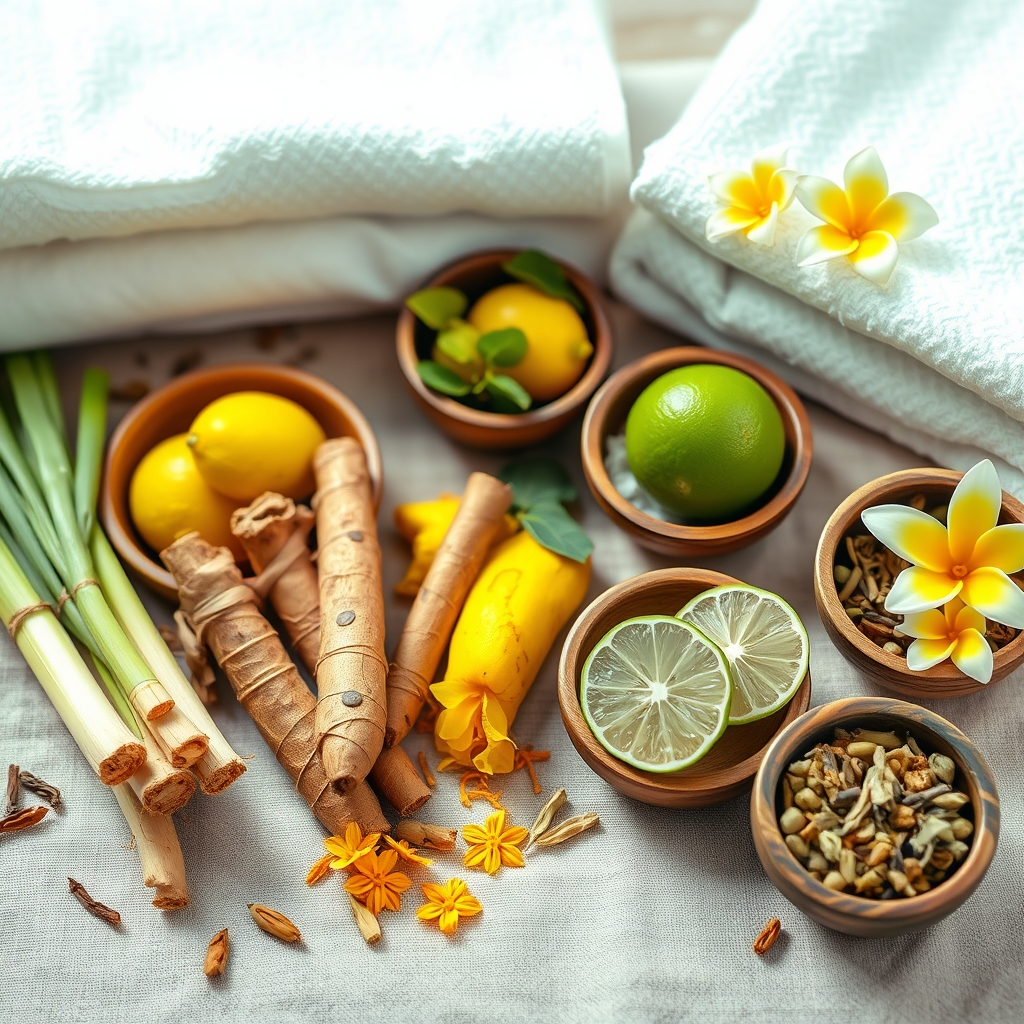
Finding a herbal balm manufacturer in Thailand is the easy part of this project. The hard part is a decision most brand owners make by accident: what regulatory category your balm sits in, because that single choice drives the formula you can use, the claims you may print, the approvals you need, and which factories can make it at all. This guide walks through that decision, then through formulation, packaging, factory vetting and export, in the order the questions actually arrive.
Why Thailand keeps coming up for herbal balm production
Balms sit in a category where Thailand has genuine depth rather than borrowed expertise. Traditional topical preparations — inhalers, warming balms, massage oils, mentholated ointments — have a long domestic history and an existing consumer market, which means local manufacturers have been producing these formats for the domestic trade, not only for export clients. That matters practically: a factory that already runs balm lines understands menthol handling, fill temperature, and how a wax-based product behaves in a hot climate, and does not need your project to learn it.
The ingredient supply chain is the second reason. Many of the botanicals that appear in balm formulas — camphor, menthol derivatives, plai, lemongrass, eucalyptus, clove, turmeric and related extracts — are sourced and processed regionally, which shortens the lead chain compared with importing each input.
Third, Thailand's export orientation means documentation for overseas shipments is a familiar process rather than a special request, and many manufacturers serve buyers across ASEAN and the Middle East where herbal topicals sell well.
A fair caution before you get attached to the idea: none of this guarantees that any individual factory is a good match for your product. Balm capability is specific. A plant with strong **skincare OEM** experience in creams and serums may not have the equipment or experience for a wax-based hot-fill product, and the reverse is equally true. Capability per format, not general reputation, is what you need to verify.
The decision that changes everything: which category is your balm?
In most markets, a topical herbal balm can fall into one of several regulatory buckets, and the boundaries differ between countries. Broadly, the same jar might be treated as a cosmetic, as a traditional or herbal medicinal product, or as a general-purpose consumer product, depending on its composition, concentration of certain actives, and above all the claims printed on it.
The practical consequences are large:
- Claims. A cosmetic-category product is generally limited to claims about the appearance or feel of skin. Claims that a product treats, relieves or cures a condition typically move it into a medicinal category with a different and heavier approval path.
- Formula limits. Some actives have concentration limits that differ by category and by country. The same ingredient level can be acceptable in one bucket and not in another.
- Approvals. The documentation and timeline for a cosmetic notification and for a medicinal registration are not comparable.
- Factory eligibility. Not every manufacturer is licensed for every category, so your category choice narrows your shortlist before you even start comparing quotes.
In Thailand these categories are administered by the Thai Food and Drug Administration, and in your destination market by its own authority. Rules are revised periodically and interpretations vary, so treat this section as orientation and confirm the classification of your intended product with the relevant authority or a regulatory consultant before you brief a factory.
The mistake to avoid is writing the marketing copy first and asking about classification later. Decide the category, then write claims that fit it.
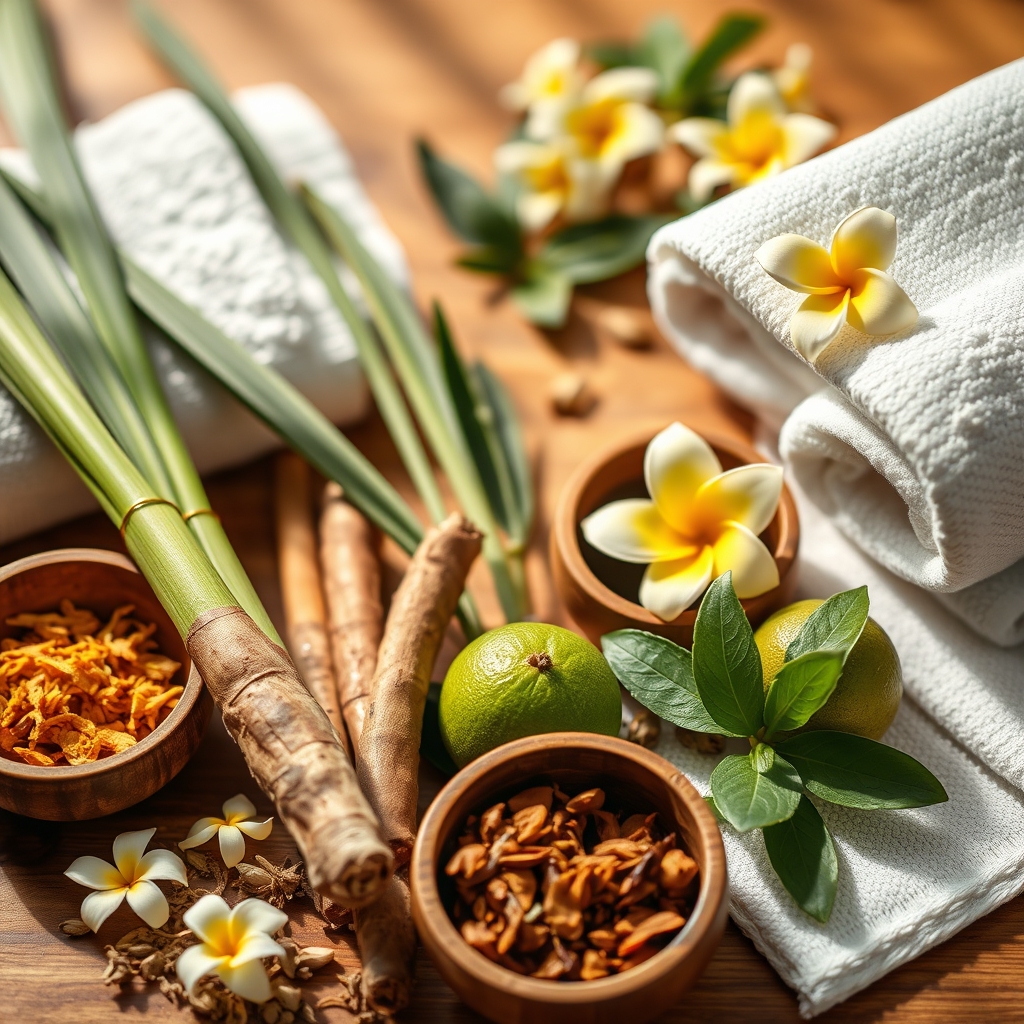
Formulation choices you will be asked to make
Once the category is settled, **formula development** for a balm comes down to four groups of decisions. Expect to be asked about all of them.
The base. Balms are typically built on waxes and butters — beeswax or a plant-based wax, shea or cocoa butter, plus carrier oils. The base sets melt behaviour, how the product feels on skin, and whether it survives a hot warehouse without softening into liquid. A vegan base rules out beeswax and changes the texture, so decide this early rather than late.
The actives and botanicals. This is your brand story, but it is constrained by category limits, by stability, and by scent interaction. Essential oils both perform and perfume, so you cannot adjust one without affecting the other.
The sensory profile. Cooling versus warming, how strong the aroma is, how greasy the after-feel is, and how fast it absorbs. These are the attributes customers actually judge, and they are worth testing on real users rather than deciding in a meeting.
The consistency and format. A firm stick, a soft jar balm, a roll-on liquid and an inhaler are different products with different equipment needs.
Two trade-offs worth naming. More botanicals usually means more sampling rounds and more stability testing, not just a nicer label. And natural-only formulations can shorten shelf life or restrict preservation options, which affects distribution. Neither is a reason to avoid them — just budget for the extra development they require.
Packaging: more than how it looks on a shelf
Balm packaging is a technical decision as much as an aesthetic one, because the container has to cope with a product that is filled warm and solidifies in place.
The classic formats each behave differently. Metal tins are inexpensive, light and traditional for this category, but they dent in transit and limit printing to a lid label or direct print. Glass or acrylic jars look more premium and suit higher price positioning, but they are heavier and breakable, which raises freight cost and damage rates. Twist-up sticks give clean application with no finger contact and travel well, but need a firmer base formula. Roll-ons and inhaler tubes are separate formats with their own filling equipment.
Four checks before you commit:
- Compatibility. Essential-oil-rich formulas can interact with certain plastics and with liner materials in tins. Run a compatibility test with the actual container, not a similar one.
- Fill and headspace. A product that shrinks as it cools can look under-filled. Your manufacturer should advise on fill level for the chosen container.
- Heat exposure. If the product will ship through or sit in hot conditions, test it at elevated temperature before production.
- Label area and required text. Small containers leave little room, and regulated categories have mandatory information that must fit.
If you intend to **start your own brand** in this category, decide the container at the same time as the formula. Reworking a base formula to suit a container chosen later is one of the most common avoidable costs in balm projects.
Vetting a manufacturer: what to verify, not what to ask
Any manufacturer will say yes to a balm project. Your job is to find out whether they should. Verify these, with evidence rather than assurances:
Format-specific experience. Ask what balm or wax-based products they currently produce and in what containers. Request to see examples they are permitted to show. General cosmetic experience is not the same as hot-fill balm experience.
Licensing for your category. If your product is classified as a medicinal or traditional preparation, confirm the plant holds the relevant licence for that category. Ask for the documentation and check it against the issuing authority rather than accepting a photograph.
Quality systems. Manufacturing standards such as GMP and related quality management certifications are the relevant frame here; ask what the plant holds, for which lines, and when it was last assessed. Discuss certifications in general terms until you have seen the documents, and verify with the certifying body.
Testing capability. Which tests are run in-house versus sent to an external laboratory — microbiological, stability, compatibility — and who pays for each.
Special requirements. Halal or vegan positioning, or allergen controls, need to be confirmed at plant level, not only at ingredient level.
Communication and change control. Who your contact is, how formula changes are recorded, and how deviations are reported. This predicts how your third order will go more reliably than the first quote does.
Shortlist at least three **Thai OEM/ODM factories** and compare on the same brief. If you are working through a partner that coordinates production across a network of audited plants, such as 5FINE (5fineglobal.com), the same verification questions still apply — ask which plant will run your product and what it is certified for.
Approvals, export documents, and the destination market
Two regulatory regimes apply to every export balm project, and they are easy to confuse.
On the Thai side, the product and the manufacturing facility come under the Thai FDA, within the category your product has been classified in. Your manufacturer normally holds the facility documentation and handles the local product filing, and can provide the associated paperwork per item for export.
On the destination side, your own market's authority governs whether you may place the product on sale, what the label must say, and which claims are permitted. This is usually your responsibility or that of your local importer, not the factory's. Requirements differ substantially between markets — particularly for products containing camphor or high menthol levels, which some countries treat more strictly than others — and they are updated periodically. Verify with your national authority or a regulatory consultant before you print labels or plan a launch.
Documents that typically come up in a balm export project include a full ingredient breakdown in international nomenclature, certificates of analysis per batch, documentation relating to the manufacturing site, and the commercial and shipping paperwork for the consignment. Certificates are issued per item and per batch, so list the documents you need in your brief at the quotation stage rather than after production.
One last practical note. If part of your line will be existing Thai branded products rather than your own label, those come through a distributor rather than an **OEM manufacturer in Thailand**, and the paperwork path is different. Decide which of the two you are doing for each SKU, because mixing them in one plan is where timelines usually slip.
Need expert support?
Leave your details and our team will get back to you.
FAQ
Frequently asked questions
Is a herbal balm a cosmetic or a medicine?
It depends on the composition, the concentration of certain actives, and above all the claims on the label, and the line is drawn differently in different countries. Claims about relieving or treating a condition generally push a product into a medicinal category with a heavier approval path. Settle the classification with the relevant authority or a regulatory consultant before you brief a factory or write marketing copy.
Can any cosmetics factory in Thailand make balms?
No. Balms are usually hot-filled wax-based products, which needs different equipment and know-how from creams and serums, and the licence a plant holds may not cover every product category. Ask each candidate which balm formats they currently produce, in which containers, and what their facility is licensed and certified for, then verify the documents independently.
What packaging works best for a herbal balm?
Tins are light and economical but dent and limit printing; glass or acrylic jars look more premium but are heavier and breakable; twist-up sticks are travel-friendly but need a firmer base. Choose the container alongside the formula, and run compatibility and elevated-temperature tests with the exact container, since oil-rich formulas can interact with certain plastics and liners.
How many sample rounds should I expect for a balm?
There is no standard number. It depends on how many botanicals are involved, how specific your target texture and aroma are, whether you are adapting an existing base or developing a new one, and how the formula performs in stability and compatibility testing. Agree in advance how many rounds are included in the development scope and how additional rounds are handled.
Prepared by the OEM Thailand team for informational purposes. Some links may lead to referred partners.
Articles
Related articles
ODM Skincare Thailand: How It Works and When to Choose It Over OEM
If you're exploring how to start your own brand in skincare without building a lab from scratch, you've likely come across two acronyms that get used loosely and often incorrectly:
Hair Care OEM Thailand: What Brand Owners Need to Decide First
Hair care OEM in Thailand follows a different logic from skincare: bigger pack sizes, heavier freight, fragrance-led buying and a technically distinct formulation process. Here is what to decide before you brief a factory.
How MOQ Works in Cosmetic Manufacturing: A Brand Owner's Guide
Understanding how MOQ works in cosmetic manufacturing changes the conversation with a factory from haggling into problem solving. A minimum