Costs & timelines
How to Calculate the Total Cost of Launching a Skincare Line
Most first-time brand owners price their skincare launch using a single number: the per-unit manufacturing quote. That's a mistake. The real total cost of launching a skincare line

Most first-time brand owners price their skincare launch using a single number: the per-unit manufacturing quote. That's a mistake. The real total cost of launching a skincare line is made up of several separate budget lines — formula development, packaging, compliance, samples, minimum order volume, logistics and marketing — and each one is decided at a different stage of the project. If you want a realistic figure before you commit, you need to understand how each line is built, not just ask a factory for "the price." This guide walks through the cost structure step by step so you can build your own estimate and ask suppliers the right questions.
Start with formula development, not packaging
Many brand owners start shopping for bottles before they've decided on the formula, which makes cost estimation impossible — packaging specs depend on viscosity, pH and active ingredients. Formula development is usually either (a) selecting from a manufacturer's existing stock formulas and adjusting fragrance or texture, or (b) commissioning a custom formulation from scratch. Stock-formula routes are generally cheaper and faster to quote because the lab work is already done; custom formula development involves R&D time, stability testing and iteration rounds, and the cost depends on how many rounds of adjustment you need before approval. Decide early which path you want, because it changes every other number in your budget.
Price out packaging as its own category
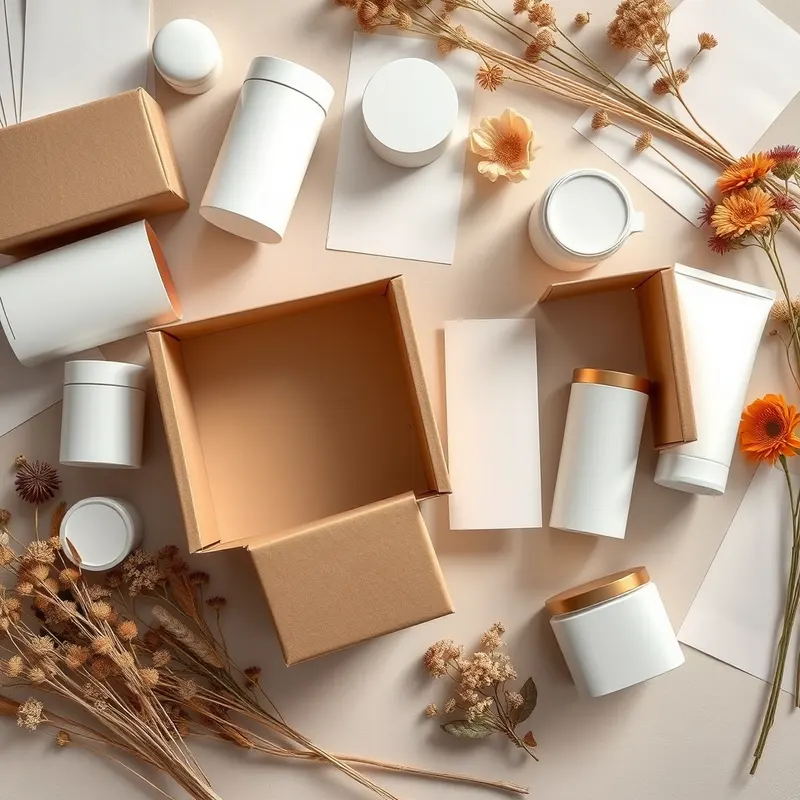
Packaging is often the single biggest swing factor in total cost, and it's frequently underestimated. This includes primary packaging (cosmetic bottles and pumps, jars, tubes, sachets), secondary packaging (cartons, inserts), and decoration (printing, foil stamping, labels). Standard stock packaging from a supplier's catalog is more cost-predictable than custom-molded packaging, which requires tooling and has its own separate cost and timeline that's confirmed only once the mold design is finalized. When budgeting, get separate quotes for packaging and filling so you can see where the money is actually going rather than one bundled per-unit number.
Factor in samples and pre-production rounds
Before committing to a production run, most brand owners go through at least one round of physical samples to check texture, scent, color and packaging fit. Each sample round has its own cost and turnaround, and if changes are needed after the first round, additional rounds add to both budget and schedule. This is a step worth planning for financially rather than treating as a free formality — it's part of the real cost of getting a formula right before you commit to a full production batch.
Understand how MOQ affects your per-unit math
Minimum order quantity directly shapes your total launch cost because it determines how many units you're committing to before you've sold a single one. The standard reference point in contract manufacturing is 1,000 units per SKU — meaning if you're launching with three SKUs, you're budgeting production for 3,000 units minimum, not 1,000 total. This figure interacts with packaging choices (custom packaging tooling may require higher volumes to amortize cost) and with your working capital plan. Price per unit is quoted against this volume and specific formula/packaging combination, so it will vary — your team gets a firm number only at the quoting stage, not before.

Don't forget compliance, testing and export documentation
Depending on where you plan to sell, you'll need product testing, safety assessments and registration documents, with requirements varying by destination market. For products manufactured in Thailand, this may include Thai FDA-related documentation and, for export, certificates of free sale or other paperwork your distributor or customs broker will request. Documentation is typically provided per item when you place an order, and timelines for securing it are confirmed case by case — it's worth checking directly with the regulatory authority or customs party in your target country, since requirements differ and change over time. Build a line item for this even if the exact figure isn't fixed yet.
Add logistics, inventory carrying cost and go-to-market spend
The manufacturing quote rarely includes freight, duties, warehousing or the marketing budget needed to actually sell the stock you've committed to. Freight costs shift with shipping mode (air vs. sea), destination and current market rates, so they should be quoted separately and close to your shipping date. Carrying cost — the capital tied up in unsold inventory — is easy to overlook but real, especially at MOQ volumes. Finally, factor in your launch marketing: photography, website, listings and initial campaigns, all of which are part of the true cost of bringing a skincare line to market, not an afterthought once stock has landed.
Need expert support?
Leave your details and our team will get back to you.
FAQ
Frequently asked questions
What's the biggest cost that founders usually underestimate?
Packaging decoration and custom tooling tend to surprise first-time brand owners the most, along with the cumulative cost of multiple sample rounds. Both are easy to overlook if you only ask for a single per-unit manufacturing price.
Is MOQ the same for every product type?
The standard reference point used across skincare OEM manufacturing is 1,000 units per SKU. If you're planning multiple SKUs or variants, multiply accordingly when building your budget rather than assuming one combined minimum.
Can I get an exact total cost before starting the project?
Not a fully fixed one — formula choice, packaging specs, order volume and destination all affect the final numbers, so your team will confirm pricing and timelines at the quoting stage once these decisions are made. What you can do early is map out every cost category so nothing is missing from your plan.
Do compliance costs vary by export destination?
Yes. Requirements differ by country, so it's worth checking with the regulatory authority or customs broker in your target market early in the planning process rather than assuming one set of documents covers every destination.
Prepared by the OEM Thailand team for informational purposes. Some links may lead to referred partners.
Articles
Related articles
How MOQ Works in Cosmetic Manufacturing: A Brand Owner's Guide
Understanding how MOQ works in cosmetic manufacturing changes the conversation with a factory from haggling into problem solving. A minimum
Cosmetic Manufacturing Timeline Explained: What Really Happens Between Idea and Launch
Brand owners asking about a cosmetic manufacturing timeline usually want one number — "how many weeks?" The honest answer is that there is no single number, because the timeline is
How Long Cosmetic OEM Takes From Brief to Launch: A Realistic Timeline
Brand owners planning a launch almost always ask the same question first: how long cosmetic OEM takes from brief to launch. The honest answer is that there's no single number that
From Product Brief to Finished Cosmetic Sample: The Steps That Actually Matter
Every skincare or beauty line made in Thailand starts the same way: a brand owner has an idea, and a factory needs that idea translated into something it can actually produce. The
Typical Production Schedule for Private Label Skincare: Stage by Stage
Brand owners ask for a typical production schedule for private label skincare expecting a calendar. What they actually need is a map of stages, gates and dependencies they can plan around.
What Causes Delays in a Cosmetic Manufacturing Schedule? 7 Culprits
Most launch dates slip for reasons that were visible weeks earlier. Understanding what causes delays in cosmetic manufacturing schedule planning lets a brand owner spot the warning