Choosing a manufacturer
How to Evaluate a Manufacturer's R&D Capability: A Brand Guide
A polished lab tour can hide a simple truth: some factories develop formulas, while others mostly adjust ones they already have. Knowing how to evaluate a manufacturer's R&D capabi
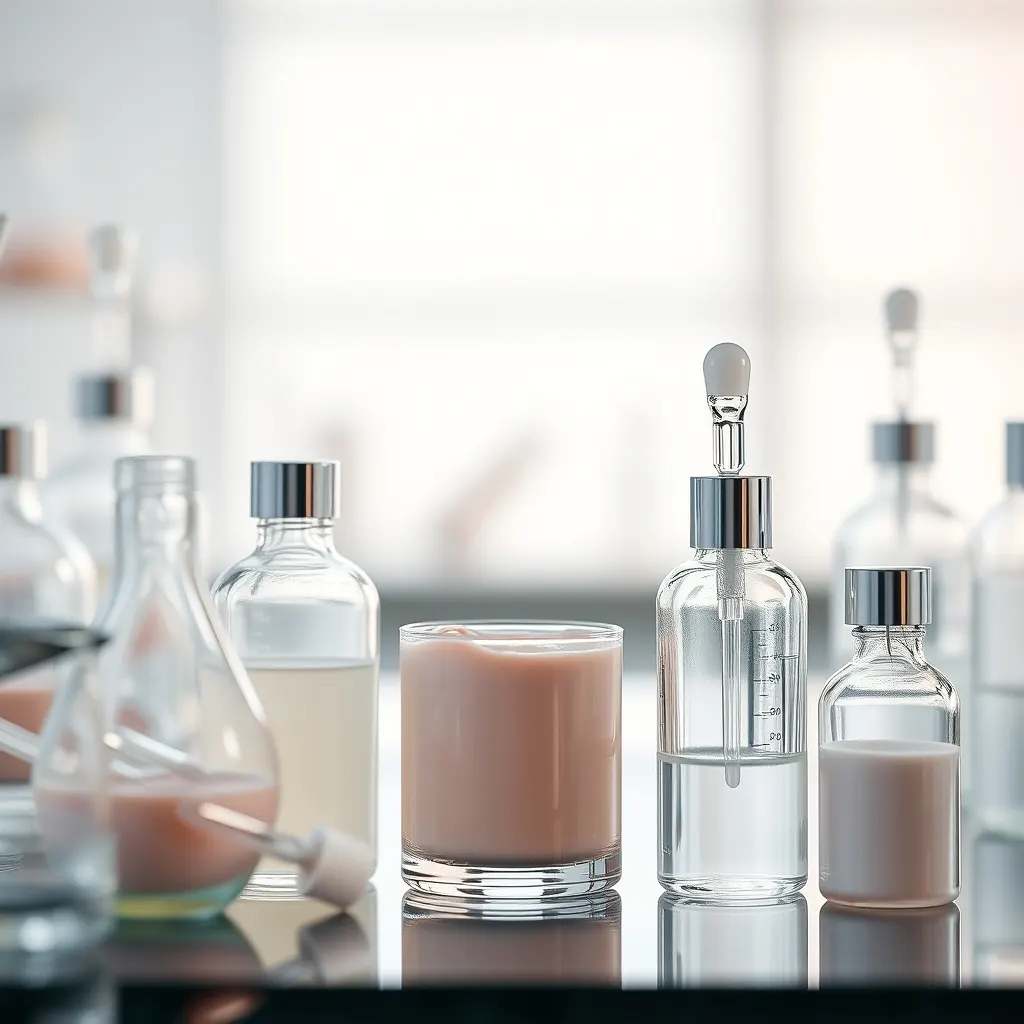
A polished lab tour can hide a simple truth: some factories develop formulas, while others mostly adjust ones they already have. Knowing how to evaluate a manufacturer's R&D capability before you commit protects your timeline, your budget and your product idea. This guide sets out what real capability looks like, how to test it with your own brief, and the decisions you should make along the way.
What R&D capability actually means in cosmetic manufacturing
The term R&D gets used loosely. For one company it means a qualified team creating new formulas and running structured testing. For another it means selecting from a library of bases and changing the fragrance. Neither approach is wrong, but they suit very different projects, so the first step is to define what you actually need.
It helps to think in levels:
- **Base adaptation:** Existing formulas with changes to fragrance, colour or texture. This fits many ODM projects and first-time brands.
- **Reformulation:** Changing active levels, removing ingredients or adapting a base for a particular market or claim direction.
- **New formula development:** Building a formula from a detailed brief, with iterations and stability work.
- **Technical innovation:** New delivery systems, novel textures or proprietary ingredient work. Relatively few projects really need this.
A manufacturer can be excellent at the first level and unsuitable for the third. So the real question is not whether it has R&D, but whether its R&D matches the level of your product. Ask yourself how different your product really has to be and how much of its brand value depends on the formula rather than the story or packaging.
It also pays to understand who does the work. Some Thai OEM/ODM factories have in-house chemists. Others collaborate with outside labs or ingredient suppliers. Both can work if the responsibilities are clear. Find out who owns the project, who makes technical decisions and who will speak to you when a test fails.
The people, facilities and systems to look for
Once you know your required level, examine the resources behind the claim. Do not stop at a list of equipment. What matters is whether the team can use these resources to solve problems reliably and document how it did so.
**People**
- Who leads formulation, and what product categories have they personally worked on?
- How many active projects does each formulator typically manage?
- Is regulatory support integrated with the formulators, or handled separately at the end?
**Facilities**
- Is there a dedicated development lab, separate from production?
- Can it make lab batches that reasonably predict how the product behaves at scale?
- What stability storage is available in-house, and which tests are sent to outside laboratories?
**Systems**
- Are formula versions controlled, so you can trace which sample corresponds to which composition?
- Are test results recorded in a consistent format, with dates and conditions?
- How is your confidential information protected and who has access?
Ask to see an anonymised development record. A capable lab can show how it tracks a formula from brief through revisions without revealing other clients' details. Vague answers here are a useful signal. Note too that certifications such as GMP or ISO relate mainly to systems and manufacturing quality. Verify them with the issuing body, but do not treat them as proof of formulation skill, which is a separate question to explore directly.
Use a paid or small test brief to see how they really work
The fastest way to understand a manufacturer's capability is to watch how it responds to a real brief. Write a brief that is specific but realistic, and send it to two or three candidates. Good formula development starts with clarity about the target user, texture, climate, packaging, claim direction, ingredients to avoid and destination markets.
Then evaluate the response against these questions:
- **Do they ask good questions?** Strong teams challenge your assumptions, for instance about whether an active suits the planned packaging.
- **Do they discuss trade-offs?** Texture, stability, cost, preservative choice and claims are connected, and an experienced formulator explains how.
- **Is the feasibility assessment honest?** Being told part of your idea is difficult is more useful than instant agreement.
- **Are samples labelled and traceable?** Each one should have a code, date and a short description of what changed.
- **How do they use feedback?** Send precise comments and see whether the next version actually addresses them.
For skincare OEM projects, ask the team to explain why it selected a specific emulsifier or preservative system. You do not need to be a chemist; you need an answer that makes sense, without jargon used to avoid the question.
Depending on the manufacturer, sample development may be charged or handled differently, and this will be confirmed during the discussion. Treat any fee in context: it may be worth paying for a clearer view of how a partner works before you commit to a production order.
Testing, stability and scale-up: where weak R&D gets exposed
A lovely lab sample proves very little by itself. Weak R&D tends to show up later, when a formula separates in heat, reacts with packaging or behaves differently in a production tank. So spend time here, particularly with products intended for hot and humid markets.
Ask how each of these is approached:
- **Stability:** What conditions are tested, what is observed, and how are results interpreted? Which product changes trigger a new test?
- **Packaging compatibility:** Is the formula tested in the actual pack? Pumps, tubes and droppers can interact with the product in different ways.
- **Preservation:** How is microbial protection assessed, and is challenge testing considered where relevant?
- **Safety and claims support:** What testing can be arranged in-house or through third parties, and what evidence would support the claims you hope to make?
- **Scale-up:** How does the team move a lab formula to a pilot or production batch, and what adjustments are typical?
The scale-up question is revealing. A lab batch and a production batch differ in mixing, heating and cooling behaviour, so an experienced team will have a clear method. The standard MOQ of 1,000 units per SKU gives a useful planning point: ask how the production batch for that quantity will be validated against the approved sample.
Request the reference sample procedure as well. Both sides should keep an approved sample, along with the specification used to judge later batches. Timelines depend on the product and the testing needed, and they should be confirmed with the manufacturer rather than assumed.
Ownership, confidentiality and the regulatory link
R&D capability is not only technical. It also affects what you own and how easily your product can enter a market. These topics are often left until the contract stage, when you have less room to change direction, so raise them early.
Decisions to make and document:
- **Formula ownership:** Is the formula the manufacturer's existing property, jointly developed or assigned to you? What exactly happens if you move to another producer?
- **Exclusivity:** Could the same formula be sold to another brand? Do not assume the answer. Ask and record it.
- **Confidentiality:** An NDA should cover your brief, concept and any data you share, and it should identify who within the company may access them.
- **Documentation access:** What ingredient information, specifications and test reports can you obtain, and under what conditions?
- **Raw material changes:** How will you be notified if a supplier or ingredient grade changes?
The regulatory link matters too. A good lab checks ingredients against the rules of the markets you plan to enter while the formula is being built, not after. Thai FDA notification, ASEAN cosmetic rules and destination-market requirements can each influence the formula. Requirements change, so treat any general guidance as reference only and verify it with the relevant authority or a regulatory specialist in your market.
Ask the team for an example of a formula it had to change because of a market requirement. A concrete answer shows that regulatory thinking is part of the process, not a final checkbox.
A simple scorecard for comparing manufacturers
After meetings and sample rounds, impressions blur together. A simple scorecard keeps the decision anchored to evidence. Rate each OEM manufacturer in Thailand on your shortlist from one to five, and add a line of evidence for every score.
Suggested categories:
- **Fit with your project level:** Does its experience match what you actually need?
- **Technical depth:** Could its team explain trade-offs clearly?
- **Responsiveness to feedback:** Did samples improve in the direction you asked for?
- **Testing approach:** Were stability and packaging compatibility planned or merely promised?
- **Documentation:** Were formula versions, samples and reports traceable?
- **Regulatory awareness:** Were your target markets considered early?
- **Commercial clarity:** Were ownership, costs and responsibilities laid out clearly?
Weight these according to your project. If you are launching a simple line with a tested base, commercial clarity may matter more than innovation. If your brand depends on a difficult formula, technical depth deserves much more weight. Beware of the most common mistake: choosing the most impressive facility rather than the one best suited to your specific product.
You can also compare models. Some brands deal with a single factory directly. Others use a coordinating partner such as 5FINE, which manages production through partner factories, or search for options on a B2B platform such as THAIMOST. Your next step: write a one-page brief, send it to three candidates and score their responses against this list before discussing a production order.
Need expert support?
Leave your details and our team will get back to you.
FAQ
Frequently asked questions
Does a new brand really need a manufacturer with strong R&D?
Not always. Many first products launch successfully using an existing base with modest changes. What matters is matching capability to your plan. Strong R&D becomes much more important when your concept relies on a specific texture, active system or market requirement that standard bases cannot meet.
How many formula revisions should I expect?
There is no fixed number, because it depends on the complexity of your brief and the clarity of your feedback. Ask how revisions are handled and whether any are charged. Specific, written feedback and one decision-maker on your side usually reduce rounds and keep development on track.
Can I check R&D capability without visiting the factory?
Yes, at least as a first filter. Use a video call with the technical lead, review anonymised records, send a real brief and evaluate the samples. A site visit or third-party audit remains valuable before larger commitments, especially for complex formulas or products intended for regulated markets.
Who owns the formula if the factory develops it?
It depends on the agreement. Some ODM formulas remain the manufacturer's property, while custom work may be assigned or licensed under agreed terms. Get the ownership position, exclusivity and portability written into your contract, and consider asking a lawyer familiar with manufacturing agreements to review it.
Prepared by the OEM Thailand team for informational purposes. Some links may lead to referred partners.
Articles
Related articles
What to Look For on a Cosmetic Factory Visit: A Walkthrough
Knowing what to look for on a cosmetic factory visit is mostly about knowing which rooms tell the truth. The meeting room is marketing; the raw material store, the filling line and the QC bench are where you learn how your product will actually be made.
How to Verify a Cosmetic Manufacturer Is Legitimate (Before You Sign Anything)
Anyone can build a polished website, post factory photos, and call themselves a manufacturer. Knowing how to verify a cosmetic manufacturer is legitimate is the single most importa
Questions to Ask Before Signing a Cosmetic Manufacturing Contract
The questions to ask before signing a cosmetic manufacturing contract are not the ones most brand owners ask: they tend to focus on price and timing while the clauses that decide who owns the formula sit unread.

Trading Company vs. Actual Factory: How to Tell Who You're Really Working With in Thailand
You've found a supplier in Thailand who answers fast, sends attractive samples, and quotes a price that beats everyone else. But is it a factory, or a trading company that outsourc
Red Flags When Choosing a Cosmetic Manufacturer: What Experienced Brand Owners Check First
Choosing a cosmetic manufacturer is one of the highest-stakes decisions a brand owner makes — it affects product quality, timelines, and how much control you actually have over you

Questions to Ask a Cosmetic OEM Before You Sign Anything
Choosing a cosmetic manufacturing partner is less about finding the "best" factory and more about finding the right fit for your product, budget and timeline. Most brand owners dis