Formulation & samples
How to Request a Cosmetic Formulation Sample From a Thai OEM
Knowing how to request a cosmetic formulation sample properly is the difference between two rounds of sampling and six. Most delays in OEM projects are not caused by the lab; they

Knowing how to request a cosmetic formulation sample properly is the difference between two rounds of sampling and six. Most delays in OEM projects are not caused by the lab; they are caused by a brief that left the chemist guessing, so the first sample answers a question the brand owner never asked. This guide explains what a formulation sample is, what to prepare before you ask, how to word the request, what the manufacturer will need from you in return and how to evaluate the sample so your feedback actually moves the formula forward.
What a formulation sample is, and what it is not
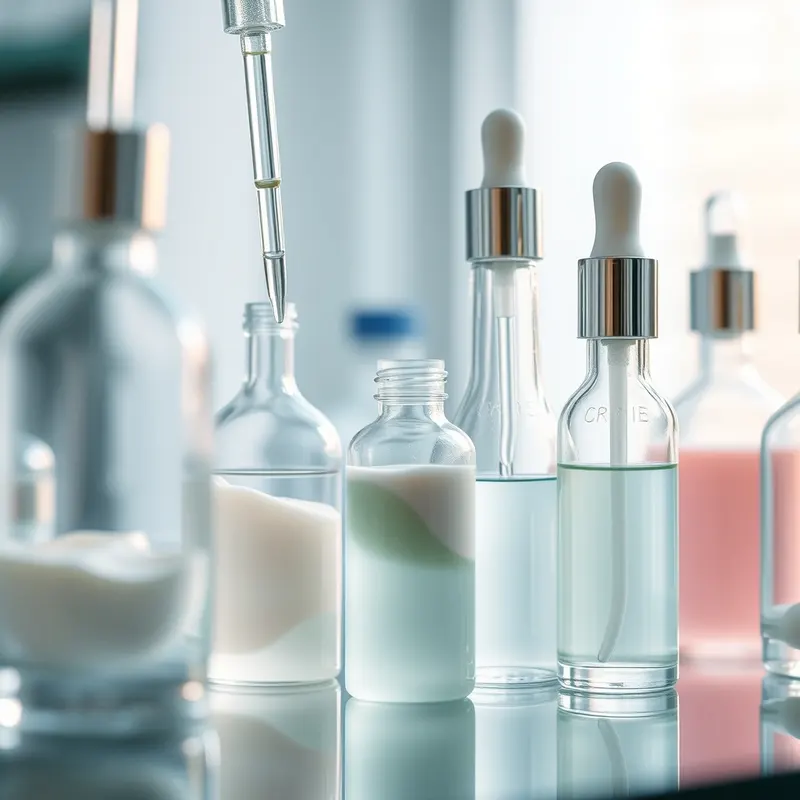
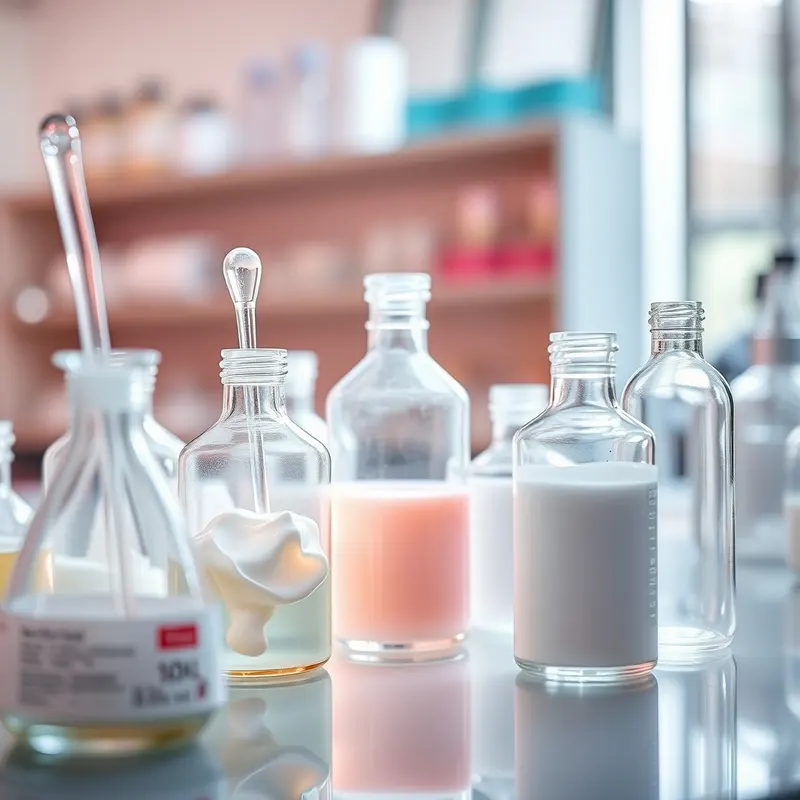
A formulation sample is a small lab-made batch of a product, typically a few units of 10 to 50 millilitres, prepared by the manufacturer's R&D team so that you can judge texture, colour, scent, absorption and first-use feel before committing to production. It is a working draft, not a finished product.
It helps to separate three things that brand owners often lump together:
- **Stock or catalogue sample**: an existing formula the manufacturer already produces. You receive it quickly, usually in a plain container, and it tells you what the base formula feels like. This is the normal starting point for an ODM project.
- **Custom formulation sample**: a formula adjusted or developed to your brief. It takes longer, may carry a development fee and goes through several rounds.
- **Pre-production or pilot sample**: made closer to production scale in your chosen packaging, used for stability testing and final sign-off.
A formulation sample does not yet prove shelf life, compatibility with your packaging or regulatory compliance in your target market. Those come later, through stability and safety testing and through the documentation stage. It also does not tell you the production price with certainty, because cost depends on final ingredients, packaging and order quantity.
Why this matters: if you ask an OEM manufacturer in Thailand for "a sample" without saying which kind, you may get a catalogue sample when you wanted custom work, or a custom quotation when you simply wanted to feel the base. State the type you want and the stage you are at, and the conversation becomes much more productive.
Prepare your brief before you ask for anything
The quality of the sample is set by the quality of the brief. Before you contact a skincare OEM or any other manufacturer, write down the following. If you cannot answer a point, say so in the brief; an honest gap is easier for a chemist to handle than a vague wish.
- **Product and category**: serum, moisturiser, sunscreen, body lotion, shampoo. For a sunscreen OEM request, state the intended SPF range and whether you want chemical, mineral or hybrid filters, because this changes the whole formula.
- **Target market and regulations**: where the product will be sold. Ingredient restrictions and claim rules differ between ASEAN, the Middle East, the EU and the United States, and the lab needs to know before choosing actives.
- **Target customer and skin concern**: oily and acne-prone, dry and sensitive, mature skin, men's grooming. One concern per product keeps the brief realistic.
- **Desired sensory profile**: light gel versus rich cream, fast absorption, matte or dewy finish, fragrance-free or a specific scent direction. Reference products you admire are very useful here; name them privately in the brief.
- **Hero ingredients and no-go list**: ingredients you want to feature on the label, and ingredients you want excluded, for example alcohol, silicones, parabens or animal-derived materials.
- **Claims you plan to make**: hydrating, brightening, soothing, vegan, halal-ready. Claims drive testing requirements later.
- **Packaging intent**: airless pump, tube, jar, dropper. Viscosity must suit the dispenser.
- **Commercial frame**: your intended retail price positioning and expected first order. The standard MOQ for contract manufacturing is 1,000 units per SKU; if your plan is above that, say so, because it affects ingredient sourcing options.
Keep the brief to one or two pages. Attach reference images and, if you have them, lab reports of any formula you already own.
How to write the sample request
A sample request is a short, structured message or form that turns your brief into something the R&D team can act on. Many manufacturers have their own form; if they do not, use this structure.
- **Introduction**: your company, your market, your brand concept in two sentences and where you are in the project.
- **Sample type requested**: catalogue samples of existing formulas, custom development against the attached brief, or both.
- **Product list**: one line per product with category, key attributes and the brief reference. Limit the first request to two or three products so the lab can focus.
- **Specific questions**: for example, "Can this base carry 2% niacinamide without changing texture?" or "Which of your existing body care OEM bases is closest to a lightweight, fast-absorbing lotion with a citrus scent?"
- **Quantity and format**: number of sample units per product and preferred size, plus whether you need them in a particular container type for internal testing.
- **Shipping details**: full address, contact person, phone number for the courier and any import considerations in your country for small cosmetic samples.
- **Commercial questions**: whether sample fees apply, whether fees are credited against a production order and what information they need from you to prepare a preliminary quotation.
- **Confidentiality**: if your brief contains proprietary ideas, ask whether the manufacturer signs a mutual NDA before you send the full document.
Send the request to a named contact, not a generic inbox, and ask who will own the project on their side. A reply that names the chemist or project manager, confirms the sample type and states what they need from you is a good sign. A reply that only asks for a deposit without discussing the brief is a signal to look elsewhere.
What to expect: fees, rounds and what decides the timeline
Brand owners new to OEM manufacturing in Thailand often assume samples are free and fast. Sometimes they are, usually for catalogue formulas, but custom work follows a different logic, and knowing it in advance prevents frustration.
**Sample fees**: catalogue samples are often provided at low or no cost beyond shipping. Custom formulation typically carries a development fee that covers chemist time and raw materials; many manufacturers credit part or all of it against a production order. Ask for the policy in writing before the first round.
**Rounds**: a realistic custom project runs through several rounds. Round one tests the direction; round two refines texture, scent and active levels; round three is usually about fine-tuning and confirming the formula in the intended packaging. Each round depends on your feedback arriving quickly and clearly.
**What decides the timeline**: the manufacturer will not promise a date before seeing the brief, and you should be wary of one who does. The real drivers are:
- Availability of raw materials, especially speciality actives that must be imported.
- Complexity of the formula, for example SPF products that need in-vitro screening before a sample is worth sending.
- Number of products requested at once.
- Speed and precision of your feedback between rounds.
- Whether stability testing is required before the sample can be released.
**Quotations**: expect a preliminary quotation only after the formula direction is agreed, because ingredient choices change cost. Pricing depends on the product and quantity, and the team will advise once the specification is clear. Treat early figures as indicative and ask what assumptions they rest on.

How to evaluate a sample so your feedback is useful
A sample is only valuable if your evaluation produces feedback the chemist can act on. "It feels nice" and "not quite right" both waste a round. Use a simple protocol.
- **Record the basics on arrival**: sample code, date received, batch note from the lab, storage conditions. Photograph the sample next to the code.
- **Test under real conditions**: apply as a customer would, morning and evening, for at least a week. For leave-on products, test on more than one person within your target group, with their consent, and ask them the same questions.
- **Score on fixed criteria**: texture on pick-up, spreadability, absorption time, residue or tackiness, scent at opening and after absorption, appearance on skin, any tightness or irritation. Use a one-to-five scale so rounds can be compared.
- **Compare against your reference product**: side by side, same hand, same time. This is the fastest way to describe what you want changed.
- **Check against the brief**: does the sample fit the packaging you intend, the claims you want and the no-go ingredient list? Ask for the INCI list of the sample and review it against your target market rules.
- **Write feedback as directions, not opinions**: "reduce tackiness after absorption; keep scent; increase thickness slightly so it holds in an airless pump" is actionable. "Make it more premium" is not.
Send feedback in one consolidated document per round, with photos if texture or colour is the issue. If your evaluators disagree, say so and ask the chemist for two variants in the next round rather than averaging the comments into a muddle. Good manufacturers appreciate structured feedback; it shortens the project for both sides.
Mistakes that burn sample rounds
These are the patterns that turn a two-round project into a six-round one. Most are avoidable with a little discipline before the first email.
- **Requesting too many products at once**: ten samples across skincare, hair care and body care, each with half a brief. The lab spreads thin and nothing gets finished. Start with the hero product.
- **Changing the brief between rounds**: round one asked for a gel, round two asks for a cream. The chemist starts over. Decide the format before round one.
- **Testing on the wrong people**: the founder with dry skin evaluates a product designed for oily skin and asks for more richness.
- **Ignoring the INCI list**: the sample feels perfect, but it contains an ingredient restricted in the target market. Review the list every round.
- **Judging stability from a fresh sample**: a formula that looks beautiful on day one may separate in a hot warehouse. Ask when stability testing happens and do not skip it.
- **Evaluating in the wrong packaging**: a lotion tested from a lab jar behaves differently in an airless pump. Specify the dispenser early and ask for a pilot sample in it.
- **Silent gaps**: feedback arrives weeks late, the lab reassigns the chemist, and momentum dies. Commit to a response window internally.
- **Confusing sample cost with production cost**: lab samples cost more per unit than production; do not price your product from the sample invoice.
Finally, keep every sample, code and feedback document in one archive. When you move to pilot batches and documentation, that history is what allows the manufacturer, or a full-service partner managing the project for you, to reproduce exactly what you approved.
Need expert support?
Leave your details and our team will get back to you.
FAQ
Frequently asked questions
Do Thai OEM manufacturers charge for formulation samples?
It varies by manufacturer and sample type. Existing catalogue formulas are often supplied at little or no cost beyond shipping, while custom development usually involves a development fee that covers chemist time and materials, sometimes credited against a later production order. Ask for the sample policy in writing before the first round so there are no surprises.
How many sample rounds should I expect for a custom formula?
For a custom formulation, several rounds are normal: the first sets the direction, the second refines texture, scent and actives, and later rounds fine-tune and confirm the formula in your intended packaging. The number depends on how clear your brief is and how quickly and precisely you give feedback. A clear brief and structured feedback usually keep it short.
Can I request samples before signing an NDA?
You can request catalogue samples of existing formulas without an NDA, since those formulas belong to the manufacturer. If your brief contains proprietary concepts or a formula you own, ask the manufacturer whether they sign a mutual NDA before you share the full document. Most established OEMs are familiar with this and will have a standard agreement.
What should I check on a sample besides how it feels?
Request the INCI ingredient list and check it against the regulations of your target market and your own no-go list. Confirm that the viscosity suits the packaging you plan to use, note any irritation reported by testers and ask when stability and safety testing will be done. A sample that feels good but fails on ingredients or packaging compatibility is not ready.
Prepared by the OEM Thailand team for informational purposes. Some links may lead to referred partners.
Articles
Related articles
Custom Skincare Formula Development: How the Process Really Works
Custom skincare formula development is where a brand stops choosing from a catalogue and starts specifying what goes in the bottle. It is also where most first-time brand owners un

The Anti Aging Serum Formulation Process, Stage by Stage
The anti aging serum formulation process is a sequence of constrained choices, and brand owners who understand the sequence get better samples in fewer rounds.
How to Submit a Product Brief to a Cosmetic Manufacturer
If you want to know how to submit a product brief to a cosmetic manufacturer, start here: a good brief is the single biggest factor in how close your first sample lands.
Vegan Cosmetic Formulation in Thailand: A Practical Guide for Brand Owners
"Vegan" is one of the most requested claims in cosmetics today, but it is also one of the most misunderstood. Brand owners often assume vegan formulation is simply a matter of swap
How to Adjust Cosmetic Formula After Sample Feedback: A Working Method
How to adjust cosmetic formula after sample feedback: structure your test panel, separate preference from defects, translate feedback into formulation levers, request revisions properly and know when to stop iterating.

How Many Formula Revisions Are Normal Before Approval?
If you've just received your second or third sample round and it still isn't quite right, you're probably wondering whether that's normal or a sign something has gone wrong. There'