Packaging
Eco-Friendly Packaging Suppliers for Thailand Cosmetics: A Buyer's Guide
Sustainable packaging has moved from a marketing nice-to-have to a baseline expectation in beauty and cosmetics manufacturing. If you're sourcing production in Thailand and want re
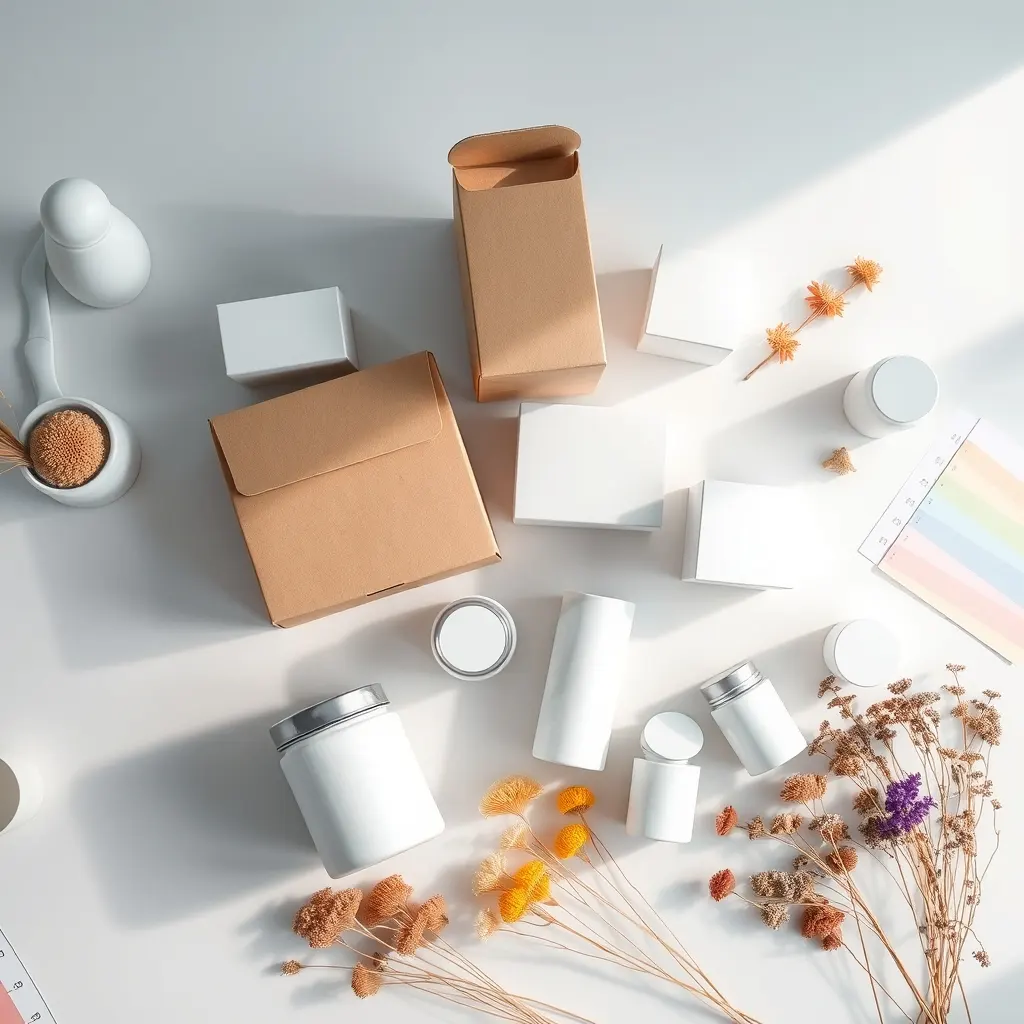
Sustainable packaging has moved from a marketing nice-to-have to a baseline expectation in beauty and cosmetics manufacturing. If you're sourcing production in Thailand and want recyclable, refillable or biodegradable packaging without quietly sacrificing shelf stability or shipping durability, you need to understand how material choice, supplier capability and factory workflow actually interact. This guide walks through the real decisions brand owners face when pairing eco-friendly packaging with Thai OEM/ODM factories, so you can brief suppliers accurately and avoid costly mismatches between formula, container and claims.
Why packaging choice is a formulation decision, not just a design one
Eco-friendly packaging isn't a standalone purchase — it has to be compatible with the product inside it. Paper-based tubes, PCR (post-consumer recycled) plastics, glass, bamboo-topped jars and refill pouches each interact differently with oils, actives, alcohol-based formulas or high-humidity Thai storage and shipping conditions. A factory experienced in beauty and cosmetics manufacturing will usually test a formula against the chosen packaging before committing to production, checking for leaching, discoloration, seal integrity and barrier performance. If you already have a formula you love, bring it to the packaging conversation early; if you're starting from a packaging concept, the chemist may need to adjust preservation or viscosity to suit it. Treating the two as separate line items is one of the most common planning mistakes brand owners make.
What 'eco-friendly' actually means — and how to specify it
The term covers a wide range of materials and claims, and suppliers interpret it differently unless you're specific. Useful categories to clarify in your brief: recyclable monomaterial plastics (easier to sort than mixed-material packs), PCR content percentage, refillable systems with a separate inner cartridge, biodegradable or compostable materials (which usually require specific industrial conditions to actually break down), and FSC-certified paperboard for cartons. Ask suppliers directly which category they can source locally versus import, since availability affects both lead time and cost. Documentation such as recyclability claims or material certificates, where they exist for a given packaging item, is typically provided per order rather than as a blanket guarantee — so confirm what paperwork will accompany your specific SKU before you print claims on your carton.

Matching packaging to your product category
Packaging requirements shift depending on what you're manufacturing. A beauty supplement OEM project usually centers on bottle or sachet packaging with moisture and light protection as the priority, which can limit how far you push toward thin recycled plastics or paper pouches without a separate protective liner. A herbal balm OEM run, by contrast, often works well in metal tins or recyclable paperboard jars since balms are solid and less sensitive to barrier failure — a good entry point if sustainable packaging is a priority but you don't want to compromise on protection. Skincare serums and liquid cosmetics sit in between: glass with a recyclable cap is common, but weight and breakage risk affect shipping cost, especially for export. Walking through your specific product category with the factory, rather than requesting 'eco packaging' generically, gets you options that are actually workable.
Working with Thai OEM/ODM factories on sustainable sourcing
Thailand's manufacturing base includes a range of Thai OEM/ODM factories with different levels of in-house packaging capability — some stock a library of recyclable or recycled-content components ready to private-label, others source custom eco packaging through secondary suppliers on your behalf, and some expect you to source and ship packaging to them. Clarify this early, since it affects both cost structure and your ability to control material specifications directly. If sustainability is a core brand pillar rather than an add-on, ask to see the factory's existing eco-packaging catalogue or past projects before committing — platforms covering the broader OEM landscape, including sites like 5fine.com, can be useful for cross-referencing what capabilities different manufacturers typically offer in this space.
Cost, MOQ and timeline trade-offs with eco packaging
Sustainable materials are not always more expensive, but they often come with different trade-offs than conventional packaging. Custom molds for recycled plastics or unusual refill mechanisms can extend development time compared to a factory's standard stock components. Standard OEM minimums still apply — most factories work on an MOQ of 1,000 units per SKU — but eco packaging sometimes forces you toward a factory's existing stocked options at that minimum, with fully custom eco-packaging requiring higher volumes to be cost-efficient. Exact costs and timelines depend heavily on material, mold complexity and order size, and should be confirmed directly with your manufacturer at the quoting stage rather than assumed from general industry figures.
How this fits if you're planning to start your own brand
For entrepreneurs looking to start your own brand with sustainability as a differentiator, it helps to sequence decisions: lock in your product category and formula direction first, then shortlist factories based on their packaging flexibility, and only then finalize artwork and claims language. Rushing packaging claims before a factory confirms material sourcing is a common cause of reprints. If you're comparing multiple manufacturing partners, resources like thaimost.com can give a broader sense of how different Thai suppliers position their packaging and sustainability offerings before you commit to sampling with any one factory.
Need expert support?
Leave your details and our team will get back to you.
FAQ
Frequently asked questions
Can every Thai OEM factory offer eco-friendly packaging?
No — capability varies widely. Some factories stock recyclable or PCR components ready for private labeling, while others source custom sustainable packaging separately or expect the brand to supply it. Ask for examples of past eco-packaging projects before assuming a factory can meet your spec.
Is eco-friendly packaging compatible with supplements and herbal products?
Generally yes, but the right material depends on the product form. A beauty supplement OEM project usually needs moisture- and light-protective packaging, which can limit material choice, while a herbal balm OEM run in a solid format has more flexibility toward paperboard or metal tins.
Does choosing eco packaging change the MOQ?
The standard MOQ of 1,000 units per SKU still applies as the baseline. However, fully custom eco-packaging molds or mechanisms may be more cost-efficient at higher volumes, so confirm with your supplier how your specific packaging choice interacts with that minimum.
What documentation should I expect for recyclability or material claims?
Certificates or technical documentation, where they exist for a given packaging item, are typically provided per order rather than as a blanket guarantee across a supplier's whole catalogue. Confirm exactly what paperwork accompanies your SKU before finalizing carton copy or marketing claims.
Prepared by the OEM Thailand team for informational purposes. Some links may lead to referred partners.
Articles
Related articles
What Packaging Works Best for Humid Climates? A Brand Guide
What packaging works best for humid climates? For most cosmetic brands the answer is a closed system with a proven moisture barrier, a label that survives condensation, and shippin
Best Packaging for Anhydrous Cosmetic Products: A Brand Guide
Choosing the best packaging for anhydrous cosmetic products means thinking about a different set of risks from water-based creams. Balms, body butters, oils, solid bars, sticks and

Glass vs Plastic Jars for Cosmetic Packaging: A Brand Owner's Decision Guide
Choosing between glass and plastic jars looks like a packaging detail, but it actually touches formulation stability, shipping costs, retail positioning and even how a buyer percei

Sustainable Cosmetic Packaging: What Brand Owners Need to Know Before They Choose a Supplier
Sustainable cosmetic packaging has moved from a marketing nice-to-have to a question buyers and regulators actually ask. But "sustainable" covers a wide range of materials, claims

Tubes vs Bottles for Skincare Packaging: A Brand Owner's Decision Guide
Packaging decisions shape how a product feels in a customer's hand, how long it lasts on the shelf, and how much it costs to ship. The tubes vs bottles for skincare packaging quest

Cosmetic Packaging Options Explained: A Brand Owner's Guide to Choosing Right
Packaging is often the last decision brand owners make and the first thing customers judge. Before you start your own brand in the beauty or wellness space, it helps to understand