Packaging
Glass vs Plastic Jars for Cosmetic Packaging: A Brand Owner's Decision Guide
Choosing between glass and plastic jars looks like a packaging detail, but it actually touches formulation stability, shipping costs, retail positioning and even how a buyer percei
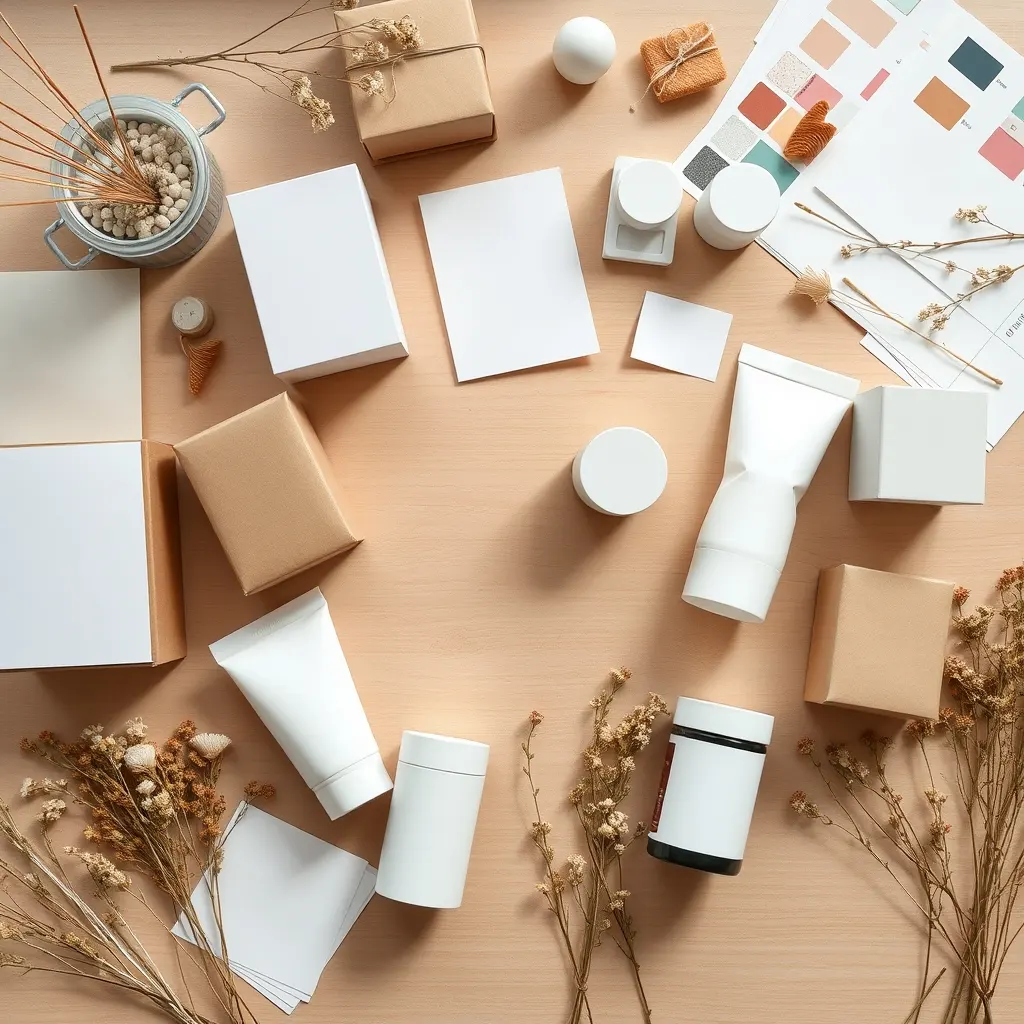
Choosing between glass and plastic jars looks like a packaging detail, but it actually touches formulation stability, shipping costs, retail positioning and even how a buyer perceives your product on shelf. Brand owners planning a skincare OEM project in Thailand often come to this decision late — after formulation is locked — when it should be part of the earlier conversation about brand strategy. This guide walks through the real trade-offs so you can decide with your manufacturer, not after them.
Why the jar material matters more than it looks
A jar isn't just a container; it's part of the formula's protection system. Glass is inert — it doesn't react with oils, actives or fragrance compounds, which matters for formulas with essential oils, high concentrations of actives, or anhydrous balms. Plastic, depending on the resin (PP, PETG, acrylic), can be more permeable to oxygen and moisture over time, which is a consideration for products sensitive to oxidation such as certain vitamin C or retinol formulations. If you're working with a lab on beauty and cosmetics manufacturing, this is one of the first questions they should ask: what's actually inside the jar, and for how long does it need to stay stable.
Cost, weight and shipping — the practical trade-off
Glass typically costs more per unit, weighs more, and carries breakage risk during transit, which affects both freight cost and insurance considerations for export. Plastic is lighter, generally cheaper at scale, and more forgiving in logistics — relevant if you're shipping internationally or distributing through multiple intermediaries. None of this is fixed; costs depend on jar size, wall thickness, finish (frosted, colored, metallized) and order volume. Your OEM partner will quote based on the specific jar and quantity you choose, not a generic price list.
Brand positioning: what the material says to your customer
Glass is widely associated with premium, clean or luxury positioning — it reads as substantial and "adult" in skincare and beauty supplement OEM contexts where capsules or powders are sometimes packed in glass jars for a premium shelf feel. Plastic isn't automatically "cheap," though — matte-finish PP or acrylic jars with good cap engineering can look just as premium, often at lower weight and cost. The decision should follow your brand strategy and price point, not the other way around. A mass-market product over-packaged in heavy glass can actually confuse the customer about the price they're being asked to pay.
Compatibility with formulation and shelf life
Certain actives — essential oils, some botanical extracts, and oxygen-sensitive ingredients — are better protected in glass or in plastic jars with a barrier liner. On the other hand, some water-based gels and creams perform perfectly well in PP or PETG without any stability issue. This is a formulation chemist's call as much as a packaging one, so the question needs to be asked during R&D, not after the jar is already sourced. The same logic applies beyond skincare: in home care OEM projects, where formulas can include stronger solvents or fragrance loads, jar and cap material compatibility testing is just as important as it is for a face cream.
Regulatory and transport considerations
Glass jars for cosmetics generally don't raise special import flags beyond standard cosmetic documentation, but breakage during international shipping can trigger customs or carrier issues worth planning for. Plastic resin type may need to be disclosed depending on the destination market's packaging and recycling regulations. Because requirements differ by country, it's worth checking with the customs or import authority in your target market before finalizing packaging specs, rather than assuming one standard applies everywhere.
Making the decision with your OEM partner
In practice, the choice isn't glass versus plastic in the abstract — it's glass versus plastic for this formula, this price point, this market, and this shipping route. A manufacturer experienced in beauty and cosmetics manufacturing should be able to show you both options side by side, with sample jars, compatibility notes and realistic cost ranges once your formula and order volume are set. If you're sourcing from Thailand, platforms such as 5FINE or THAIMOST are examples of manufacturers that work across both glass and plastic packaging lines, though the right fit always depends on your specific product.
Need expert support?
Leave your details and our team will get back to you.
FAQ
Frequently asked questions
Is glass always more premium than plastic for cosmetic jars?
Not necessarily. Glass reads as premium by default, but well-finished plastic (frosted, acrylic, heavy-wall PP) can achieve a comparable premium feel at a different cost and weight profile. Positioning depends on the full package design, not the material alone.
Can I switch from plastic to glass jars after my formula is finalized?
It's possible, but it's better to test compatibility early. Some formulas behave differently in glass versus plastic over time, so a stability check with the new packaging is recommended before switching at production scale.
Does jar material affect the standard MOQ for OEM orders?
MOQ for OEM manufacturing typically follows the standard of 1,000 units per SKU, regardless of whether the packaging is glass or plastic. Jar choice affects cost and lead time discussions, not the baseline MOQ structure.
Are there import restrictions specific to glass or plastic cosmetic jars?
Rules vary by destination market, especially around plastic resin disclosure and packaging waste regulations. It's best to confirm current requirements with the customs or import authority in your target country before finalizing packaging.
Prepared by the OEM Thailand team for informational purposes. Some links may lead to referred partners.
Articles
Related articles
How to Choose Packaging Material for Sensitive Skin Products
How to choose packaging material for sensitive skin products: why airless and opaque matter, which materials to test against your formula, and the questions to put to your OEM.
Sustainable Cosmetic Packaging: What Brand Owners Need to Know Before They Choose a Supplier
Sustainable cosmetic packaging has moved from a marketing nice-to-have to a question buyers and regulators actually ask. But "sustainable" covers a wide range of materials, claims
How to Design Skincare Packaging for Retail Shelf Appeal
Knowing how to design skincare packaging for retail shelf appeal is mostly about winning the first few seconds, when a shopper scans a crowded shelf and decides what deserves a clo
Best Packaging for Anhydrous Cosmetic Products: A Brand Guide
Choosing the best packaging for anhydrous cosmetic products means thinking about a different set of risks from water-based creams. Balms, body butters, oils, solid bars, sticks and
Tubes vs Bottles for Skincare Packaging: A Brand Owner's Decision Guide
Packaging decisions shape how a product feels in a customer's hand, how long it lasts on the shelf, and how much it costs to ship. The tubes vs bottles for skincare packaging quest
Recyclable Packaging Options for Cosmetic Brands: A Decision Guide
Recyclable packaging options for cosmetic brands are no longer a nice extra; retailers and customers increasingly ask about them before they ask about the formula. The tricky part