Costs & timelines
Factors That Affect Cosmetic Production Lead Time in Thailand
Brand owners asking about cosmetic production lead time usually expect a single number. In practice, there isn't one — lead time is the sum of several decisions you make along the
Brand owners asking about cosmetic production lead time usually expect a single number. In practice, there isn't one — lead time is the sum of several decisions you make along the way, from formula selection to packaging sourcing to compliance paperwork. Understanding what actually drives timing helps you plan launches realistically and avoid surprises once a purchase order is signed. This guide walks through the variables that matter most when working with an OEM manufacturer in Thailand, so you can ask better questions during supplier conversations instead of just asking "how long."
Formula status: existing vs. custom
The single biggest driver of lead time is whether you're using a manufacturer's existing base formula or requesting a fully custom one. Picking from a catalog of ready formulas — a common starting point for men's grooming products or baby skincare lines — skips the R&D and stability-testing phase almost entirely, since the formula has already been through internal testing. A custom formula, on the other hand, usually goes through several rounds of lab adjustment and sample review before it's approved, and each round adds time while you and the lab exchange feedback. Fragrance load, active ingredient sourcing, and texture preferences (gel vs. cream vs. balm) all affect how many iterations are needed. If timing is a priority, starting the conversation with 'what formulas do you already have close to this' is more useful than requesting a from-scratch formulation.
Product category and texture complexity
Not all categories move at the same pace. A single-phase liquid, like a toner, is generally simpler to batch and stabilize than a multi-phase emulsion or a solid format like a balm. Products like herbal balm OEM runs, for instance, involve melting points, pour consistency, and sometimes herbal extract suspension — variables that need to be dialed in during sampling before mass production starts. Similarly, body care OEM products such as scrubs or butters often require testing for ingredient separation or settling over time, which can extend the sampling stage. Knowing which texture family your product falls into helps you anticipate whether sampling will be straightforward or will need a few extra rounds.
Packaging sourcing and compatibility testing
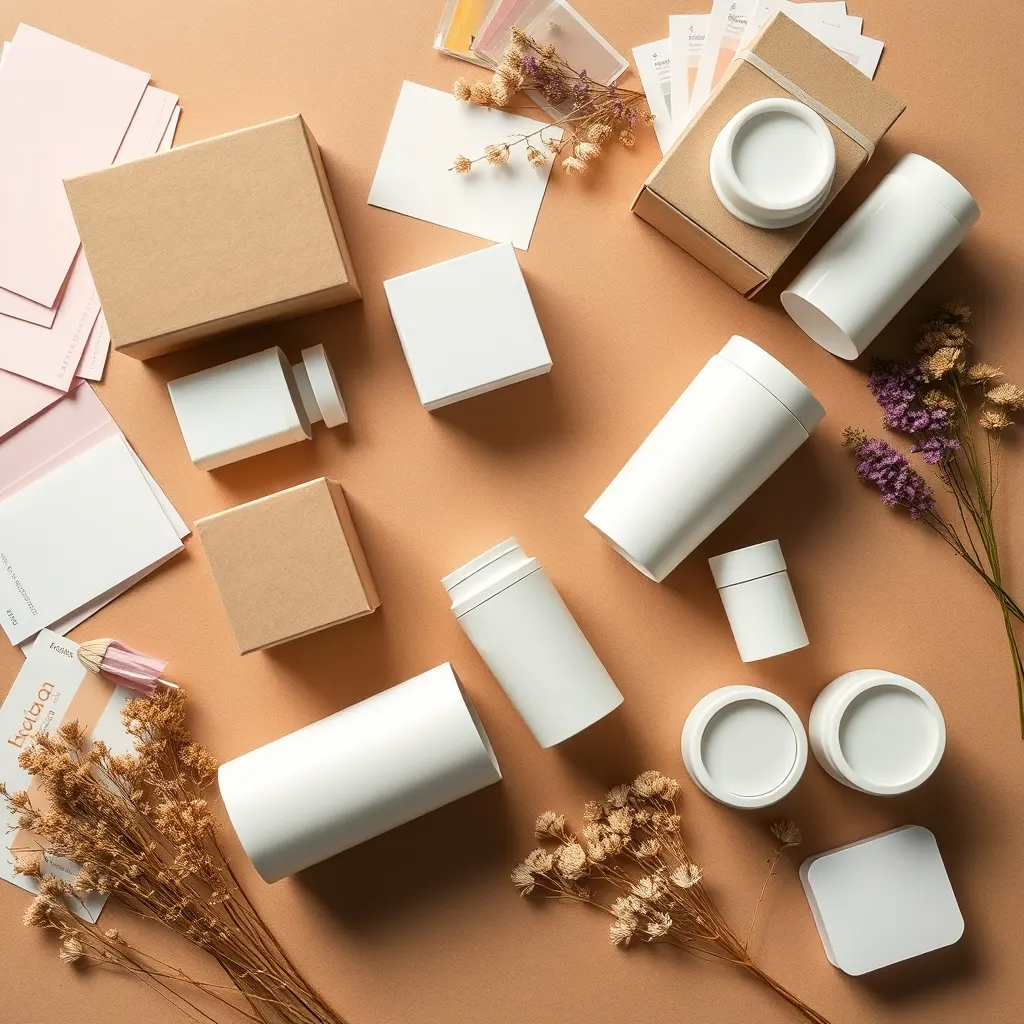
Packaging is frequently the quiet bottleneck in cosmetic production. Even when a formula is finalized quickly, the manufacturer still needs compatibility testing to confirm the formula doesn't react with the chosen bottle, jar, or tube material over time. If you select stock packaging already used by the factory, this step is usually faster since compatibility data may already exist. Custom packaging — a unique bottle shape, a specific pump mechanism, or printed tubes — adds sourcing time, since components may need to be ordered from separate suppliers and then tested together with the formula. Decorating processes like silkscreen printing, hot stamping, or custom box printing are typically scheduled after the formula and packaging are both confirmed, not before.
Regulatory and documentation requirements
Depending on your destination market, your product may need to go through Thai FDA notification or registration before production can proceed, and documentation requirements vary by product type (cosmetic, supplement, or borderline category). This step runs in parallel with formulation in some cases, but for certain claims or ingredients it can only start once the final formula is locked, which affects overall sequencing. Export paperwork — certificates of free sale, ingredient lists, or safety documentation — is generally prepared toward the end of the process, once the product specification is final. It's worth checking with your own country's customs or import authority early, since import requirements on the receiving end can affect what documentation you request from the manufacturer upfront.
Order volume and production scheduling
Standard MOQ for OEM cosmetic manufacturing is typically 1,000 units per SKU, and the quantity you order affects how it fits into a factory's production schedule. Smaller single-SKU orders can sometimes be slotted between larger production runs, while multi-SKU launches with different formulas, colors, or packaging components require more coordination across the factory floor. Ordering multiple products at once — say a baby skincare set with a wash, lotion, and balm — also means each item must pass its own sampling and compatibility checks before the whole batch is scheduled together. Exact timing for any order is confirmed at the quotation stage once formula, packaging, and quantity are all finalized.
Sample approval speed on your side
An often-overlooked factor is how quickly the brand owner reviews and approves samples. Each round of formula or packaging feedback requires the manufacturer to pause, adjust, and resend — and the time between sending a sample and receiving approval is entirely in the brand's hands. Having clear internal criteria before sampling begins (target scent profile, texture benchmarks, color references) reduces the number of revision rounds needed. Brands that treat sampling as a quick back-and-forth, rather than batching multiple feedback points into one review, tend to move through this stage more efficiently.
Need expert support?
Leave your details and our team will get back to you.
FAQ
Frequently asked questions
What is the fastest way to shorten cosmetic production lead time?
Choosing an existing formula and stock packaging from your manufacturer removes the two steps that usually take the longest: custom formulation and packaging sourcing. This doesn't eliminate sampling, but it narrows the number of variables being tested at once.
Does MOQ affect lead time?
The standard MOQ for OEM cosmetic manufacturing is 1,000 units per SKU. Volume itself has less impact on timing than formula and packaging complexity, but larger or multi-SKU orders require more scheduling coordination, which your manufacturer will confirm when quoting.
Do all cosmetic products need Thai FDA notification before production?
Requirements vary by product type and claims, so this is confirmed case by case. It's best to check with your manufacturer and, for your own market, with your local customs or import authority regarding what documentation you'll need on arrival.
Can herbal balm or body care products take longer than liquid formulas?
Often yes, since balms, butters, and scrubs involve texture stability checks — melting point, consistency, or ingredient settling — that liquid formulas like toners typically don't require in the same depth.
Prepared by the OEM Thailand team for informational purposes. Some links may lead to referred partners.
Articles
Related articles
How Long Cosmetic OEM Takes From Brief to Launch: A Realistic Timeline
Brand owners planning a launch almost always ask the same question first: how long cosmetic OEM takes from brief to launch. The honest answer is that there's no single number that
Cosmetic Manufacturing Timeline Explained: What Really Happens Between Idea and Launch
Brand owners asking about a cosmetic manufacturing timeline usually want one number — "how many weeks?" The honest answer is that there is no single number, because the timeline is
Typical Production Schedule for Private Label Skincare: Stage by Stage
Brand owners ask for a typical production schedule for private label skincare expecting a calendar. What they actually need is a map of stages, gates and dependencies they can plan around.
How MOQ Works in Cosmetic Manufacturing: A Brand Owner's Guide
Understanding how MOQ works in cosmetic manufacturing changes the conversation with a factory from haggling into problem solving. A minimum
From Product Brief to Finished Cosmetic Sample: The Steps That Actually Matter
Every skincare or beauty line made in Thailand starts the same way: a brand owner has an idea, and a factory needs that idea translated into something it can actually produce. The

How to Calculate the Total Cost of Launching a Skincare Line
Most first-time brand owners price their skincare launch using a single number: the per-unit manufacturing quote. That's a mistake. The real total cost of launching a skincare line