Product categories
Men's Grooming OEM Thailand: A Buyer's Guide to Building Your Own Line
Men's grooming is one of the fastest-growing segments brand owners bring to Thai OEM/ODM factories — beard oils, herbal balms, face washes, deodorants, hair pomades. But "men's gro
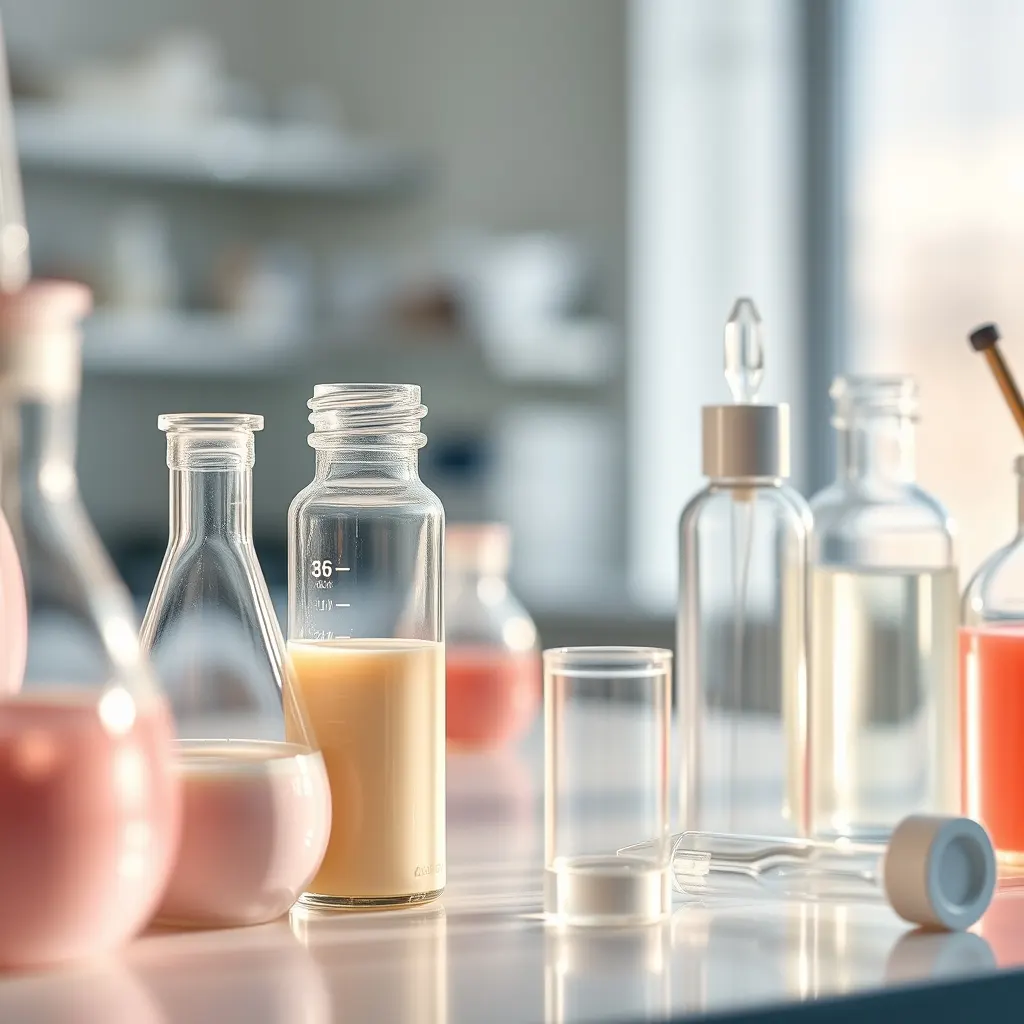
Men's grooming is one of the fastest-growing segments brand owners bring to Thai OEM/ODM factories — beard oils, herbal balms, face washes, deodorants, hair pomades. But "men's grooming" is not one product category, it's a cluster of formulation types with very different requirements for texture, scent, packaging and shelf life. If you're planning to start your own brand in this space, understanding how the OEM process actually works — not just what it costs — will save you several rounds of back-and-forth with a factory. This guide walks through the decisions you'll need to make before you ever request a quote.
Why Thailand for men's grooming OEM
Thailand has a long-established cosmetics and personal care manufacturing base, with experience spanning skincare, herbal formulations, fragrance and personal hygiene products. Many Thai OEM/ODM factories already run production lines for the exact product types men's grooming brands need — balms, oils, bar soaps, roll-on deodorants and styling products — often drawing on local expertise with botanical and herbal ingredients that fit naturally with a grooming positioning. This doesn't mean every factory suits every product; it means the pool of experienced manufacturers is wide enough that brand owners can usually find one aligned with their specific formula type, whether that's a modern synthetic-free formulation or a traditional herbal balm OEM project.
Mapping your product line before you contact a factory
Before approaching a manufacturer, it helps to separate your intended lineup into formulation families, because each one is quoted and developed differently: leave-on oils and balms, rinse-off cleansers, water-based gels, and powder or stick formats. A beard oil and a herbal balm OEM product, for instance, use different bases, preservation systems and packaging. Deciding this upfront — rather than asking a factory to 'figure it out' — speeds up formula development and avoids paying for exploratory work you didn't need. If you're unsure, most factories will still guide you through it during an initial consultation, but arriving with a clear concept list shortens the cycle.

Formula development: stock formulas vs custom work
Men's grooming brands typically choose between three paths. Stock (existing) formulas let you launch faster and with lower development involvement, since the factory adjusts an existing base to your scent and minor specs. Modified formulas start from a stock base but change actives, texture or fragrance intensity. Fully custom formula development starts from a brief — skin feel, finish, claims you want to support, ingredients to avoid — and goes through sampling rounds until approved. Custom work gives the most differentiation but requires more rounds of sample review and more clarity from you on what 'right' looks like, since formulators can't guess your brand's sensory direction. Expect to evaluate multiple sample iterations before locking a formula, especially for leave-on products where scent and absorption matter most.
Packaging choices that matter for grooming lines
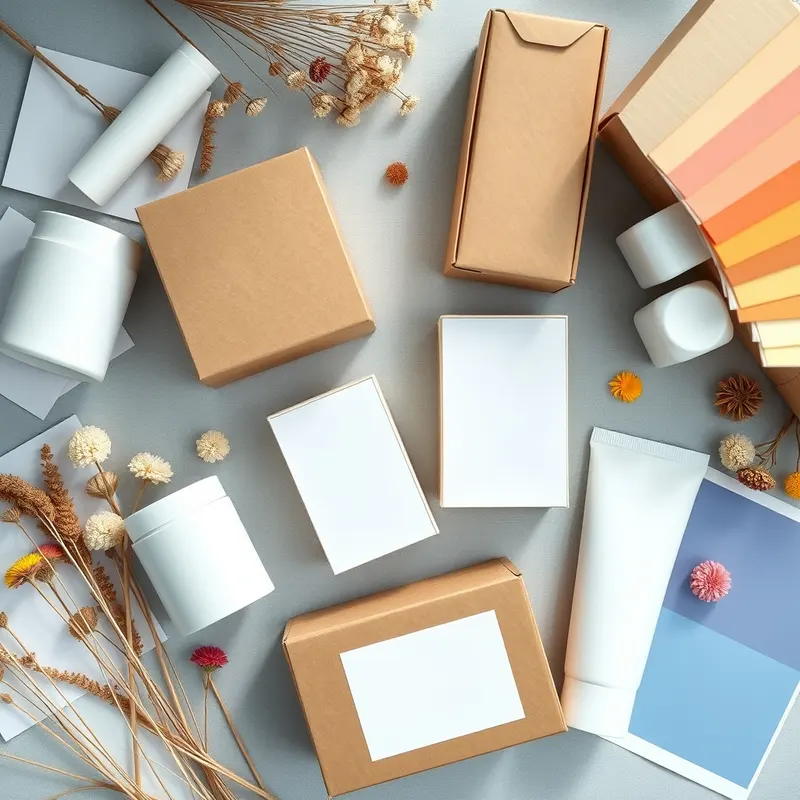
Grooming packaging has its own logic compared to facial skincare: it needs to withstand bathroom humidity, travel well, and often needs a masculine visual language through matte finishes, dark glass or brushed metal accents. For liquid formats like beard oil, aftershave or styling serums, sourcing cosmetic bottles and pumps that dispense viscous oils accurately — without clogging or over-dispensing — is a detail worth testing with real product, not just water, during sample approval. Balms and solid products need jars or tins rated for their intended fill weight. Factories typically offer a catalog of stock packaging to start from, with custom molds available for larger commitments; discuss MOQ and cost implications for custom packaging separately from the formula MOQ.
Thai FDA, labeling and export considerations
Cosmetics manufactured in Thailand for domestic sale or export generally go through Thai FDA notification procedures, and factories experienced in export markets can usually supply the documentation buyers request, such as ingredient lists, product specifications and available certificates, provided per order. Beyond Thai requirements, labeling rules in your destination market — ingredient disclosure, claims language, symbols — vary by country, so it's worth checking with customs or regulatory contacts in your own market before finalizing packaging artwork, since a factory in Thailand won't be responsible for your home market's import rules.
MOQ, timeline and how to plan your order
For OEM production, the standard minimum order quantity is 1,000 units per SKU. If you're launching a line with several SKUs — say a wash, a balm and an oil — plan your initial order and cash flow around that per-SKU figure rather than assuming a blended minimum across the whole line. Exact costs and production timelines depend heavily on your chosen formula, packaging complexity and order volume, and are confirmed once a factory reviews your specification — this is also when they'll flag any formulation or packaging combination that needs extra lead time for sourcing or testing.
Need expert support?
Leave your details and our team will get back to you.
FAQ
Frequently asked questions
Can I combine a herbal balm and a modern synthetic formula in the same product line?
Yes, many factories handle both within one order as long as each SKU meets its own MOQ of 1,000 units. The main consideration is whether the same factory has capability for both formulation styles, or whether you'd split production across two manufacturers.
Do I need to design my own cosmetic bottles and pumps, or can I use stock packaging?
Most brands starting out use stock packaging from a factory's existing catalog to keep things simpler, then move to custom bottle molds once volumes justify the investment. Either way, test the pump mechanism with your actual formula viscosity before finalizing.
How do I start your own brand in men's grooming without prior manufacturing experience?
Start by defining your product concepts and target positioning, then approach a few Thai OEM/ODM factories for initial consultations. A good manufacturing partner will walk first-time brand owners through formula options, packaging, documentation and sample stages step by step.
Is Thai FDA approval required for every men's grooming product?
Cosmetic products made in Thailand generally require notification under Thai FDA procedures; specific requirements can vary by product type. Factories typically assist with this process and provide relevant documentation per order, but it's worth confirming the scope directly for your specific items.
Prepared by the OEM Thailand team for informational purposes. Some links may lead to referred partners.
Articles
Related articles

Baby Skincare OEM Thailand: What Brand Owners Must Decide First
Baby skincare is the category where a brand owner's instinct to move fast collides hardest with the manufacturer's instinct to slow down, and the manufacturer is right. If you are
Natural Deodorant Manufacturer Thailand: A Brand Owner Guide
Choosing a natural deodorant manufacturer in Thailand is less about who can make a stick and more about which technical route your brand is signing up for
Sunscreen OEM Thailand: What Brand Owners Must Decide First
Sunscreen is the product category where the gap between a good brief and a vague one shows up most clearly.
Acne Treatment Product Manufacturer Thailand: A Buyer's Guide
Choosing an acne treatment product manufacturer in Thailand means answering a question most skincare projects can postpone: is your product a cosmetic or a drug in the markets wher
Lip Care OEM Thailand: What Brand Owners Decide First
A lip care OEM Thailand project looks simple from the outside — a balm in a stick, a tint in a tube. The decisions underneath it are anything but.

Whitening Serum Manufacturer Thailand: A Brand Owner's Guide
Choosing a whitening serum manufacturer in Thailand is less about finding the strongest formula and more about matching actives, claims and paperwork to the market you plan to sell