Product categories
Pet Grooming Product Manufacturer Thailand: A Brand Owner's Guide
Looking for a pet grooming product manufacturer in Thailand usually starts with one question: can a Thai factory make shampoos, conditioners and sprays for pets to the standard my

Looking for a pet grooming product manufacturer in Thailand usually starts with one question: can a Thai factory make shampoos, conditioners and sprays for pets to the standard my brand needs? Often it can, but pet care has its own rules, formulation limits and documentation. This guide explains how the process works, which decisions you must make, and how to vet a manufacturer before you commit.
What pet grooming manufacturing actually covers
Pet grooming is a broad category, and the first step is to define exactly what you want to make. Typical products include shampoos and conditioners for dogs and cats, waterless or dry shampoos, detangling and coat-shine sprays, paw balms, deodorising sprays, ear-cleaning solutions and wipes. Each of these sits in a different technical and regulatory position.
A useful way to group them:
- **Rinse-off products** such as shampoos and conditioners. These are usually the most straightforward starting point.
- **Leave-on products** such as sprays, balms and coat oils. These stay on the animal and may be licked, so ingredient choice matters even more.
- **Products with functional claims** such as anti-flea, anti-tick or medicated shampoos. In many markets these are regulated as veterinary or pesticide products rather than grooming products, which changes the paperwork completely.
Most new brands do best by starting with rinse-off and simple leave-on grooming products without medicinal claims. Thailand has a strong base in personal care, herbal formulation and packaging, and some factories that make human body care also run pet lines. However, not every cosmetic factory accepts pet projects, so confirm this in the very first conversation rather than assuming.
Formulation decisions specific to pets
Pet skin is not the same as human skin. Dogs and cats have different skin pH, a different coat structure, and a strong tendency to lick themselves. Good formula development for pets starts from those facts rather than from adapting a human shampoo.
Decisions you will need to make with the manufacturer's R&D team:
- **Target animal and coat type**: dog only, cat only, or both. Long coats, double coats and sensitive breeds may need different surfactant systems and conditioning levels.
- **Mildness and pH**: ask how the formula is balanced for the target animal and why.
- **Ingredients to avoid**: some essential oils and fragrance components that are common in human products are a concern for pets, especially cats. Ask the formulator to explain which materials they exclude and on what basis.
- **Fragrance level**: pet owners often like a light scent, but strong fragrance can be unpleasant for animals.
- **Natural or herbal positioning**: Thai herbal extracts can support a strong brand story, but every botanical should be reviewed for pet suitability.
Ask for a short written rationale with each sample. A capable lab will explain trade-offs, for example between foam, mildness and cost, instead of simply sending a bottle.

Packaging and labelling for pet products
Packaging for grooming products has to work in wet, slippery conditions, often with one hand while the other holds an animal. That practical reality should drive your choices as much as shelf appeal.
Points to decide early:
- **Format**: flip-top bottles and pump bottles for shampoos, trigger or fine-mist sprays for leave-on products, tins or sticks for paw balms. Large refill sizes are popular with groomers and multi-pet households.
- **Grip and durability**: textured or shaped bottles are easier to hold. Materials must be compatible with the formula, so ask for compatibility testing.
- **Label content**: clear species, directions, warnings such as avoid eyes, and ingredient information as required in your target market. Label rules for pet products differ by country, so check with the authority or your importer at destination.
- **Professional versus retail lines**: groomers and pet salons often want large, simple, cost-efficient packs, while retail shoppers respond to design and smaller sizes.
Many Thai packaging suppliers work with contract manufacturers, which makes it easier to coordinate bottles, caps and labels. Still, confirm stock availability of the packaging you choose before finalising artwork, as a beautiful design on an unavailable bottle is a common source of delay.
How to vet a Thai manufacturer for pet care
Choosing the right partner matters more than any single formula. Use a structured checklist when you evaluate Thai OEM/ODM factories for a pet grooming project:
- **Relevant experience**: ask whether they already produce pet grooming lines and request examples that can be shared. Experience with human body care helps, but pet-specific knowledge is better.
- **Quality system**: ask about their manufacturing standards and certifications, and request copies relevant to your products. Do not assume a certificate covers every line in the factory.
- **Separation of lines**: if the factory also makes human cosmetics or other categories, ask how they manage cleaning and cross-contamination.
- **Testing**: what stability and compatibility testing do they run, and what documentation can they provide for export?
- **Export documentation**: what documents can they prepare for your destination market, and what will you need to handle yourself or through a local consultant?
- **Communication**: is there a project contact who answers clearly in English and keeps written records of each change?
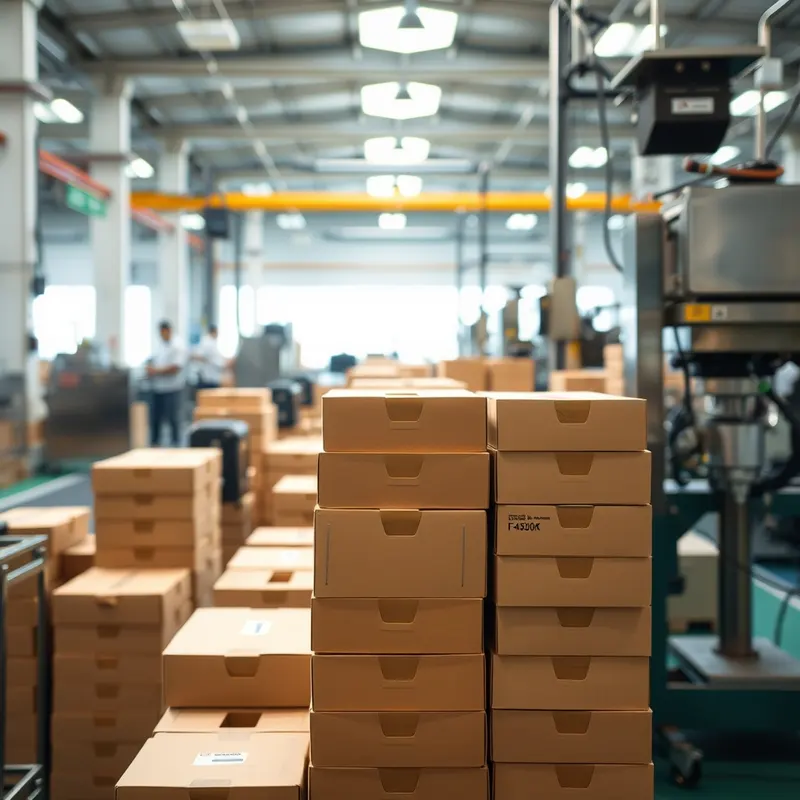
To build a shortlist, you can combine trade fairs, industry referrals and B2B platforms such as THAIMOST, where buyers can contact verified suppliers and compare responses. Whatever the source, visit or video-audit the facility before committing.
Regulation, minimum orders and planning your first run
Regulation is where pet products surprise many brand owners. Depending on the destination country, grooming products may fall under general consumer product rules, specific pet product rules, or veterinary rules if any treatment claim is made. Requirements change and vary widely, so always check with the relevant authority or a regulatory consultant in your market before you finalise claims and labels.
Practical rules of thumb:
- **Keep claims cosmetic** for your first range: cleans, conditions, freshens, detangles. Avoid treatment language unless you are prepared for veterinary-level registration.
- **Collect documentation early**: ingredient lists, safety information and test reports should be part of the project from the start, not requested at the end.
- **Plan quantities around the standard MOQ**: contract manufacturing typically works with a standard minimum of 1,000 units per SKU. Starting with two or three core SKUs, such as a shampoo, a conditioner and a spray, keeps inventory manageable.
- **Budget the full picture**: formulation, samples, packaging, testing, freight, duties and registration all add up. Costs depend on product and volume, and a manufacturer will give specifics in a quotation.
Working with an experienced OEM manufacturer in Thailand can simplify much of this, but you remain responsible for market compliance, so treat regulatory checks as your own task.
Need expert support?
Leave your details and our team will get back to you.
FAQ
Frequently asked questions
Can a human cosmetics factory make pet grooming products?
Sometimes, but not always. Some Thai factories run dedicated pet lines alongside personal care, while others do not accept pet projects at all. Ask directly, check their experience with pet formulas, and confirm how they manage line separation and cleaning before moving forward.
What is the minimum order for a pet grooming product?
The standard minimum for contract manufacturing is 1,000 units per SKU. Because of this, many new brands launch with a small core range and expand once they see which products sell, rather than producing many variants at the start.
Do I need special approval to sell pet shampoo abroad?
It depends on the country and on your claims. Basic grooming products may follow general consumer product rules, while anti-parasite or medicated products are often regulated much more strictly. Check with the authority or a regulatory consultant in your destination market before launch.
Prepared by the OEM Thailand team for informational purposes. Some links may lead to referred partners.
Articles
Related articles

Hair Care OEM Thailand: What Brand Owners Need to Decide First
Hair care OEM in Thailand follows a different logic from skincare: bigger pack sizes, heavier freight, fragrance-led buying and a technically distinct formulation process. Here is what to decide before you brief a factory.

Baby Skincare OEM Thailand: What Brand Owners Must Decide First
Baby skincare is the category where a brand owner's instinct to move fast collides hardest with the manufacturer's instinct to slow down, and the manufacturer is right. If you are

Herbal Balm Manufacturer Thailand: What Brand Owners Should Know
Choosing a herbal balm manufacturer in Thailand starts with one decision most brand owners skip: what regulatory category your balm belongs to.
Natural Deodorant Manufacturer Thailand: A Brand Owner Guide
Choosing a natural deodorant manufacturer in Thailand is less about who can make a stick and more about which technical route your brand is signing up for

Fragrance Private Label Thailand: How to Launch Your Scent Line
Fragrance private label Thailand is a route more brand owners are exploring, because it lets you launch perfumes, body mists or home scents under your own name without building a l
Acne Treatment Product Manufacturer Thailand: A Buyer's Guide
Choosing an acne treatment product manufacturer in Thailand means answering a question most skincare projects can postpone: is your product a cosmetic or a drug in the markets wher