OEM & ODM basics
White Label vs Private Label Cosmetics: What Brand Owners Actually Need to Know
Anyone sourcing skincare, cosmetics or beauty supplements eventually runs into the same wall of jargon: white label, private label, OEM, ODM. The terms get used loosely, sometimes

Anyone sourcing skincare, cosmetics or beauty supplements eventually runs into the same wall of jargon: white label, private label, OEM, ODM. The terms get used loosely, sometimes interchangeably, which creates real confusion when you're trying to decide how much control you want over your own formula versus how fast you want to get to market. The white label vs private label cosmetics question isn't academic — it determines your cost structure, your timeline, how defensible your brand is against copycats, and how much say you have in formulation. This guide breaks down the real differences, the trade-offs, and how the decision plays out when working with manufacturers in Thailand.
White label vs private label cosmetics: the core difference
White label products are made once by a manufacturer and sold, largely unchanged, to multiple brands. The formula, packaging shape and often the base product already exist — you add your logo, label and sometimes your own packaging color, and you're in business. It's a fast route to market because the formulation work is already done, but it also means a competitor could be selling an almost identical product under a different name.
Private label sits closer to custom. A manufacturer still works from an existing base formula or platform, but there's more room to request adjustments — fragrance, texture, active concentration, color — so the end product is closer to being 'yours,' even if it isn't built from scratch. Private label is usually the middle ground between buying an off-the-shelf white label item and commissioning a fully custom OEM project.
Neither approach is better in absolute terms. White label suits brands testing a market or launching quickly with limited differentiation needs. Private label suits brands that want some distinctiveness — a specific scent, a particular finish, a claim tied to a particular ingredient — without paying for full formula development from zero.
Where OEM and ODM fit into the picture
White label and private label describe how much the product is shared across brands. OEM (Original Equipment Manufacturer) and ODM (Original Design Manufacturer) describe who originates the formula and design. An OEM manufacturer in Thailand typically produces goods to a brand's specifications — you bring the concept, they bring the production capability, and formula development is scoped around what you've asked for. ODM, by contrast, means the manufacturer already has a design or formula ready and you adapt it to your brand, which overlaps heavily with white label and private label models.
In practice, a single factory can offer all four options depending on the product line: a ready-made serum you can white label this month, a tweakable base you can private label in a few weeks once texture and scent are finalized, or a fully custom formula built through an OEM process that takes longer because it starts from a brief rather than a shelf.

Formula development: how much control do you actually want?
This is the decision that separates white label from private label from full OEM. Formula development ranges from 'none' (you pick a product as-is) to 'full' (actives, texture, pH, preservation system and sensory profile all built around your brief). More control generally means more time and more back-and-forth on samples, because every adjustment to a formula changes its stability, cost and sometimes its regulatory classification.
Before asking a manufacturer for a quote, it helps to know where you sit on this spectrum. If you mainly want speed and low complexity, white label or a lightly adjusted private label base is usually the practical choice. If your brand strategy depends on a specific active ingredient, a unique sensory experience or a claim that no competitor can replicate, you're likely looking at genuine formula development, and it's worth budgeting more time for sampling rounds and stability testing.
Brand strategy: what white label and private label mean for differentiation
A sound brand strategy doesn't start with 'what can the factory make' — it starts with how you intend to compete. If your positioning rests on price and speed to shelf, white label products let you launch without carrying formulation risk. If your positioning rests on a story — a signature scent, a specific texture, an ingredient narrative — then private label or OEM formula work becomes part of how you defend that story, since a pure white label product can usually be bought by anyone else too.
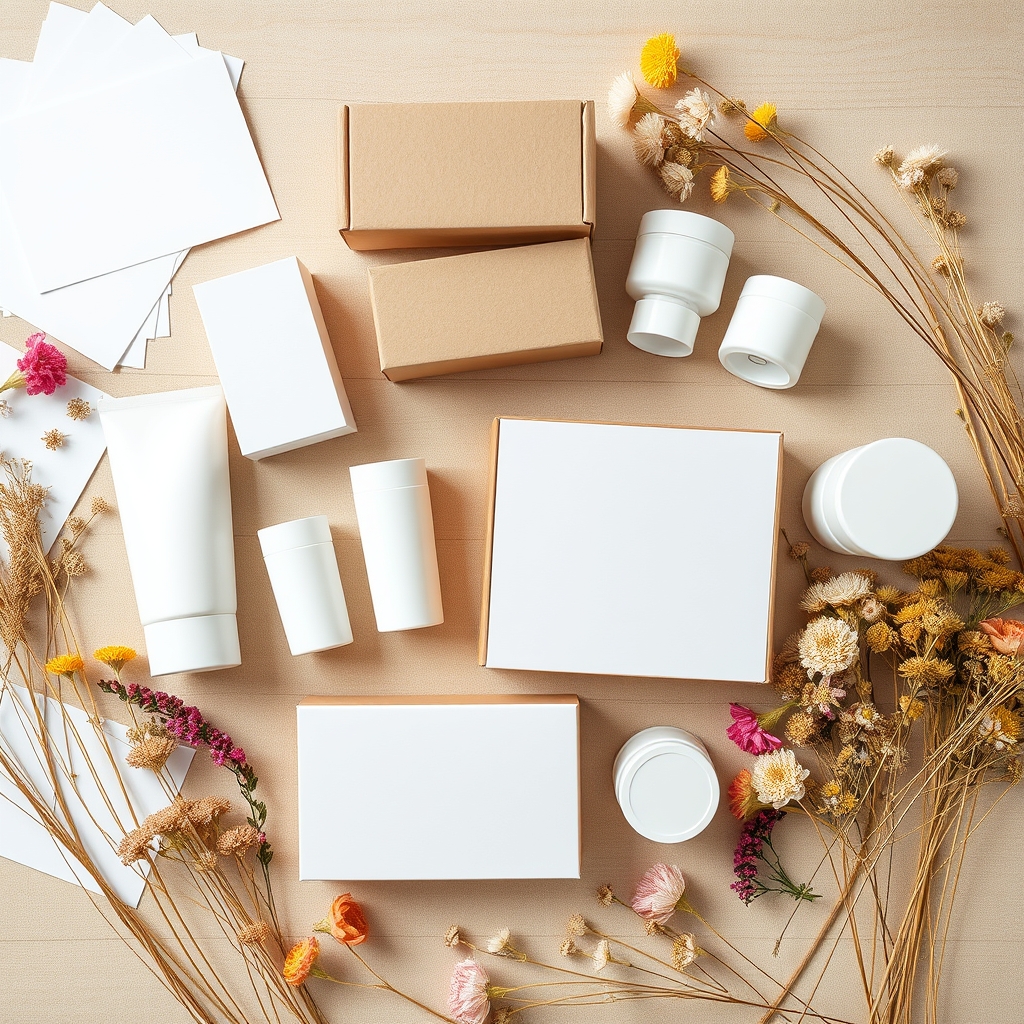
Packaging, naming and claims also factor into brand strategy regardless of which manufacturing route you choose. Even a white label base product can feel distinctive with the right packaging design and positioning, while a heavily customized OEM formula can still underperform if the brand story around it is weak. The manufacturing decision and the brand decision need to be made together, not in isolation.
Beyond skincare: white label and private label in beauty supplement OEM
The same logic extends past topical cosmetics into ingestibles. Beauty supplement OEM — collagen blends, gummies, beauty-from-within capsules — follows a similar white label vs private label split, but with an added layer of regulatory complexity, since supplements are typically reviewed under separate food or health product rules rather than cosmetic regulations. A white label beauty supplement might be an existing collagen formula you simply rebrand; a private label version might let you adjust dosage, flavor or additional actives within what the base formula allows.
Because supplement claims and ingredient lists are scrutinized more closely than most cosmetic claims, it's worth checking with your own market's customs or health authority on what documentation will be required before committing to a specific formula path.
Choosing a path with a Thai manufacturer
Thailand has a deep base of contract manufacturers covering skincare, color cosmetics, fragrance and supplements, many of whom offer white label, private label and full OEM tracks side by side. When evaluating an OEM manufacturer in Thailand, ask directly which category a given product falls into — some facilities label everything 'custom' even when it's a lightly modified existing base, which matters for how much formulation flexibility you'll actually get.
Sites like 5FINE document how this process tends to work in practice — the kinds of questions manufacturers ask, how samples are typically evaluated, and where cosmetic regulatory and export documentation usually come into play — which is useful background before your first conversation with a factory, regardless of which manufacturer you eventually choose.
Need expert support?
Leave your details and our team will get back to you.
FAQ
Frequently asked questions
Is private label more expensive than white label?
It depends on how much the base formula needs to change. A private label product that only adjusts fragrance or color may cost close to a white label item, while deeper adjustments to actives or texture add development time and cost. Pricing is confirmed during quoting once the specific changes are known.
Can a white label product later become a private label or fully custom product?
Yes, many brands launch with a white label product to test demand, then move to private label or full OEM formula development once they have sales data and a clearer sense of what differentiation matters to their customers.
Does Thai FDA registration differ between white label and private label cosmetics?
The registration process itself follows the same regulatory framework regardless of label type, but a modified private label formula may require its own documentation separate from the original base product. It's best to check requirements with the manufacturer and relevant authority for the specific formula.
How do I decide between white label and private label for a beauty supplement line?
Start with your brand strategy: if speed to market matters most, a white label supplement formula gets you there faster. If a specific dosage, flavor or ingredient story is central to your positioning, private label or custom beauty supplement OEM development is usually necessary, with extra time for formulation and compliance review.
Prepared by the OEM Thailand team for informational purposes. Some links may lead to referred partners.
Articles
Related articles
Herbal Balm Manufacturer Thailand: What Brand Owners Should Know
Choosing a herbal balm manufacturer in Thailand starts with one decision most brand owners skip: what regulatory category your balm belongs to.
ODM Skincare Thailand: How It Works and When to Choose It Over OEM
If you're exploring how to start your own brand in skincare without building a lab from scratch, you've likely come across two acronyms that get used loosely and often incorrectly:

Hair Care OEM Thailand: What Brand Owners Need to Decide First
Hair care OEM in Thailand follows a different logic from skincare: bigger pack sizes, heavier freight, fragrance-led buying and a technically distinct formulation process. Here is what to decide before you brief a factory.