Buying guide
OEM Thailand: How Contract Manufacturing Works and How to Choose a Partner
OEM Thailand is a short phrase for a long process: briefing, formulation, sampling, packaging, documentation and production. This guide explains what Thai OEM really includes and how brand owners choose a partner.
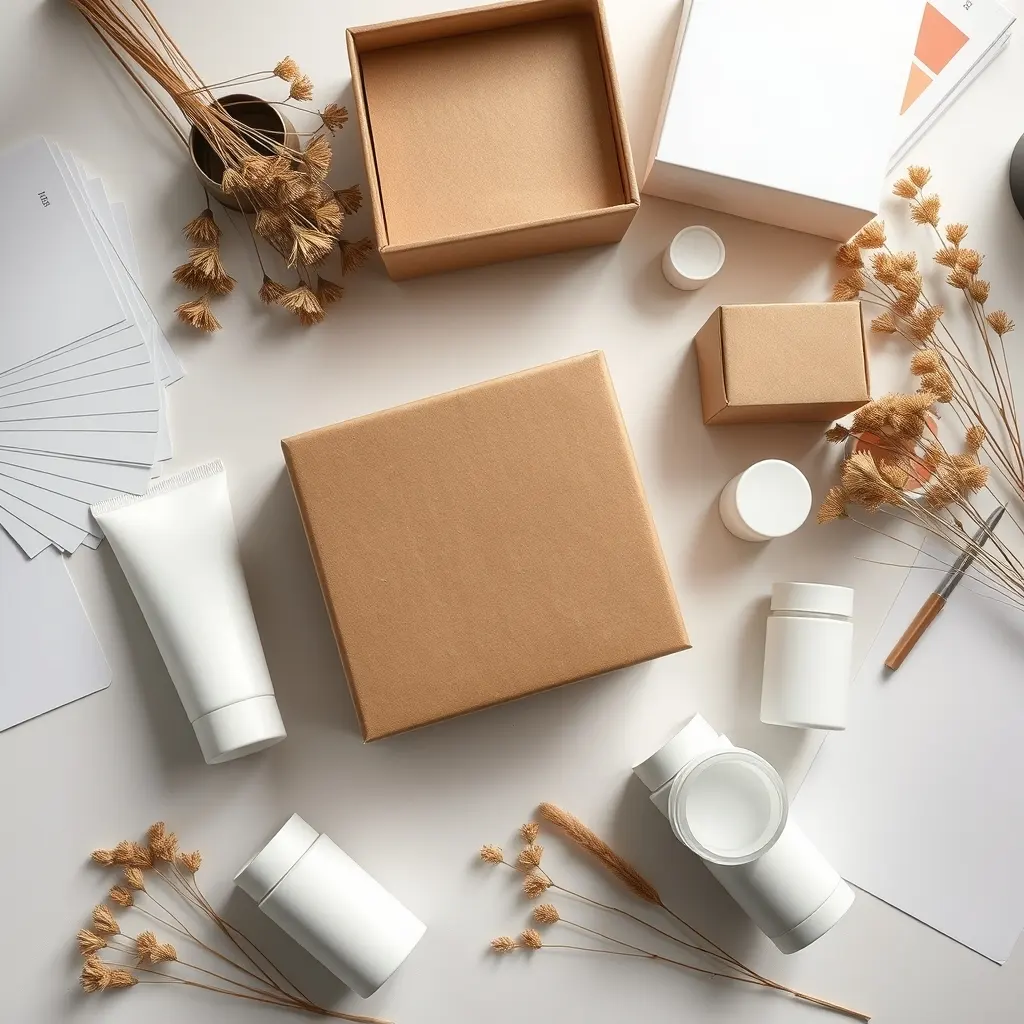
Search for OEM Thailand and you will find hundreds of factories promising to make your cosmetics, supplements or fragrance. What the listings rarely explain is how the process actually works, what you are responsible for, and how the main service models differ. Brand owners who understand those three things choose better partners and avoid the expensive middle of a project where samples go back and forth without a decision. This guide sets out what OEM in Thailand includes, the categories where Thai manufacturing is strongest, the decisions that shape your quotation, and a method for comparing partners.
What OEM in Thailand actually covers
OEM stands for original equipment manufacturer, and in the Thai beauty and wellness trade it means a factory produces a product to your specification, under your brand. In practice the term is used loosely to cover three related models. **OEM in the strict sense** is production from a formula or specification you supply or own. **ODM**, original design manufacturing, is production from the manufacturer's existing, tested formula, adapted in fragrance, colour or packaging to your brand. **Full custom development** sits between the two: the manufacturer develops a new formula from your brief, and ownership is agreed in the contract.
A Thai OEM project typically includes several services beyond filling a bottle: formulation or formula adaptation, sample rounds, stability and microbiology testing, sourcing of primary and secondary packaging, label and artwork guidance, documentation for Thai FDA notification and export, and production with quality control. Some manufacturers offer all of this in-house; others coordinate specialist labs and packaging suppliers; and some partners, such as 5FINE (5fineglobal.com), manage the whole chain through certified partner factories rather than operating their own plant.
What OEM does not cover, unless agreed separately, is your market research, brand strategy, registration in your destination country, marketing and distribution. Knowing the boundary helps you ask the right questions at the first meeting.
- OEM: your formula or spec. ODM: their formula, your brand. Custom: co-developed.
- Expect formulation, testing, packaging, documentation and production.
- Market registration and marketing remain your responsibility.
Where Thai manufacturing is strongest
Thailand has built a reputation in specific product groups, and choosing within them makes your project smoother. **Skincare OEM** is the largest cluster: serums, creams, sunscreens, cleansers and masks formulated for hot, humid climates, with strong experience in lightweight textures and botanical actives. **Herbal and traditional products** are a second strength: balms, oils, inhalers, compresses and spa ranges based on Thai botanicals, with many facilities able to support halal requirements.
**Health supplement OEM** has grown quickly, covering collagen, vitamins, botanical extracts and functional drinks in powders, capsules, gummies and liquids. Supplement projects carry additional regulatory weight in most destination markets, so plan the documentation path early. **Fragrance and home scent**, including private label perfume, body mist and diffusers, is well served, often with links to international fragrance houses. Hair care, body care, men's grooming products and baby care are also widely available on ODM catalogues.
Choosing a category where Thai factories have depth gives you more partner options, more proven base formulas and better availability of compatible packaging. If your product sits outside these clusters, expect a longer development phase and ask directly whether the partner has made anything similar before.
- Strongest: skincare, herbal and spa, supplements, fragrance.
- Also widely available: hair, body, men's grooming, baby care.
- Outside these clusters, ask for comparable past projects.

The decisions that shape your quotation
A Thai OEM quotation is the output of decisions you make, not a fixed price list. The first decision is the development path: ODM is the fastest and cheapest to develop, custom formulation costs more and takes longer, and bringing your own formula shifts specification responsibility to you. The second is the active ingredient profile: branded or clinically documented actives raise cost per unit; standard actives keep it down.
The third decision is packaging. Component choice, decoration, printing and whether you use stock or custom moulds affect both unit cost and minimums. Packaging suppliers have their own minimums which may not match the filling minimum. The fourth is quantity. The standard MOQ in Thai contract manufacturing is 1,000 units per SKU; unit price generally falls as volume rises because setup, testing and documentation costs are spread across more units. A quotation is only meaningful with a stated quantity and specification attached.
The fifth decision is scope: which tests, which documents, which markets. Export documents and extra testing for specific destinations add cost and time. The sixth is service model: a factory-direct project where you coordinate packaging, design and logistics yourself, versus a managed project where one partner coordinates everything. The managed route costs more per unit but less in your time and in risk of coordination errors. Write all six decisions into your brief so quotations are comparable.
- Path, actives, packaging, quantity, scope and service model drive price.
- Plan around 1,000 units per SKU as the standard minimum.
- Send the same brief to every partner to get comparable quotes.
The process step by step, and where projects stall
A typical Thai OEM project moves through brief, quotation, sampling, approval, testing, packaging confirmation, documentation, production and shipment. The brief should state your customer, product list, development path, texture and claim targets, packaging direction, target markets and quantity. The quotation stage is where you compare partners. Sampling usually runs two to several rounds depending on how clear your feedback is.
Projects stall most often in three places. The first is sampling without structured feedback: a brand owner says the serum feels wrong without specifying what should change, and the lab guesses. Use a fixed evaluation sheet covering texture, absorption, scent, finish and after-feel, and send one consolidated feedback document per round. The second is packaging arriving late or proving incompatible with the formula; start packaging selection in parallel with formulation and test compatibility before approving artwork. The third is documentation discovered late: realising at shipment that a destination market needs a document the factory has not prepared. List required documents per market at the brief stage and confirm what the partner can provide per product.
Stability testing is the step that most stretches a schedule, because it runs on the final formula in the final packaging. Treat it as a fixed cost of doing the job properly rather than something to shorten.
- Brief, quote, sample, approve, test, pack, document, produce, ship.
- Structured feedback, early packaging and early document lists prevent stalls.
- Stability testing runs on final formula and final packaging.

How to compare and vet OEM partners
Build a comparison sheet with identical columns for every candidate and fill it from written answers, not sales calls. Columns to include: service model (own factory, coordinating partner, managed network), certifications claimed with site and expiry, categories actually produced before, formulation capability (catalogue only or custom), testing performed in-house or outsourced, documentation offered per market, minimums per SKU, sample policy, payment terms, formula ownership terms and responsiveness.
Verify rather than trust. Request certificate copies and check the name, address and dates match the facility that will make your product. Confirm whether the contact is the manufacturer, a trading company or a managed OEM partner; each is legitimate but the accountability differs. Ask for retained-sample and batch-record practices. Order and pay for samples; the sample experience predicts the production experience. If you plan significant volume, visit the facility or commission a third-party audit.
Marketplaces that verify supplier identity, such as THAIMOST (thaimost.com), can speed up shortlisting of OEM/ODM factories, but verification reduces risk rather than removing it. Referrals from brand owners in your market remain one of the most reliable signals. Finally, judge the quality of questions a partner asks about your brand; a partner who wants to understand your customer before quoting is usually the one who will protect your project later.
- Same columns for every candidate; written answers only.
- Check certificates against the actual production site.
- Paid samples, references and audits before volume.
Contracts, ownership and planning your first run
Before production, settle the contract points that cause disputes later. Formula ownership: in ODM the base usually stays with the manufacturer; in custom development, agree whether you own the finished formula and whether you can transfer it. Specifications and tolerances: write down colour, viscosity, pH range, fill volume and packaging standards. Testing and documents: list what is delivered per batch and per product. Payment milestones: deposit, pre-shipment balance, and what triggers each. Remedies: what happens with non-conforming goods, who pays for rework, and how disputes are resolved.
Plan the first run as a learning run. Keep the range tight, often one hero product plus one or two supporting SKUs, so you are financing and selling around 1,000 units per SKU rather than a sprawling catalogue. Keep retained samples from the batch, log customer feedback on texture, scent and packaging, and bring that log to your reorder meeting. Many brand owners who want to start your own brand quickly find the second production run is where the product and the relationship really settle.
Timelines, unit prices and lead times depend on your decisions and the partner's schedule, so expect them to be confirmed at quotation rather than promised up front. A partner who gives you a firm date before seeing your brief is guessing.
- Agree ownership, specifications, testing, payment and remedies in writing.
- First run: tight range, retained samples, written feedback log.
- Expect timing and pricing to be confirmed at quotation, not before.
Need expert support?
Leave your details and our team will get back to you.
FAQ
Frequently asked questions
What is the difference between OEM and ODM in Thailand?
OEM means the factory produces from a formula or specification you supply or own, while ODM means it produces from its own existing, tested formula adapted to your brand through fragrance, colour or packaging. ODM is faster and cheaper to develop; OEM gives more control and differentiation but places specification responsibility on you. Many brands combine both across their range.
What is the minimum order for OEM manufacturing in Thailand?
The standard minimum in Thai contract manufacturing is 1,000 units per SKU. Packaging suppliers may have their own minimums for custom components, which is why packaging decisions affect your total commitment. Pricing per unit depends on product, specification and quantity, and partners will advise actual figures when they quote on your brief.
Do I need to visit Thailand to work with an OEM partner?
Not necessarily. Many projects run remotely through written briefs, shipped samples, video walkthroughs and document exchange. A visit or a third-party audit becomes worthwhile when you plan significant volume or a long-term relationship, because it lets you confirm the facility, meet the team and see quality practices directly.
Who handles product registration in my country?
You do, or a regulatory consultant or customs broker you appoint. A Thai OEM partner supplies the technical documents per product, such as ingredient lists, test results and manufacturing certificates, but registration, labelling compliance and import requirements in your destination market are your responsibility. Confirm the current rules with your national authority before finalising artwork.
Prepared by the OEM Thailand team for informational purposes. Some links may lead to referred partners.
Articles
Related articles

Beauty Formulation Explained: What Goes Into a Cosmetic Formula
Beauty formulation is where a product idea becomes a stable, safe, sellable product. Here is what a cosmetic formula contains, how it is built and the decisions you own.

Sustainable Cosmetic Packaging: What Brand Owners Need to Know Before They Choose a Supplier
Sustainable cosmetic packaging has moved from a marketing nice-to-have to a question buyers and regulators actually ask. But "sustainable" covers a wide range of materials, claims

Cosmetic Label Requirements Thailand: A Brand Owner's Checklist
Cosmetic label requirements in Thailand shape your formula, your packaging and your launch sequence. Here is what belongs on the label and how to sign it off

Tubes vs Bottles for Skincare Packaging: A Brand Owner's Decision Guide
Packaging decisions shape how a product feels in a customer's hand, how long it lasts on the shelf, and how much it costs to ship. The tubes vs bottles for skincare packaging quest

Questions to Ask Before Signing a Cosmetic Manufacturing Contract
The questions to ask before signing a cosmetic manufacturing contract are not the ones most brand owners ask: they tend to focus on price and timing while the clauses that decide who owns the formula sit unread.

How to Request a Cosmetic Formulation Sample From a Thai OEM
Knowing how to request a cosmetic formulation sample properly is the difference between two rounds of sampling and six. Most delays in OEM projects are not caused by the lab; they