OEM & ODM basics
Private Label vs Custom Formulation Skincare: Which Path Fits Your Brand?
Almost every brand owner exploring Thailand OEM manufacturing hits the same fork in the road: should you pick an existing formula off a catalog, or commission something built from
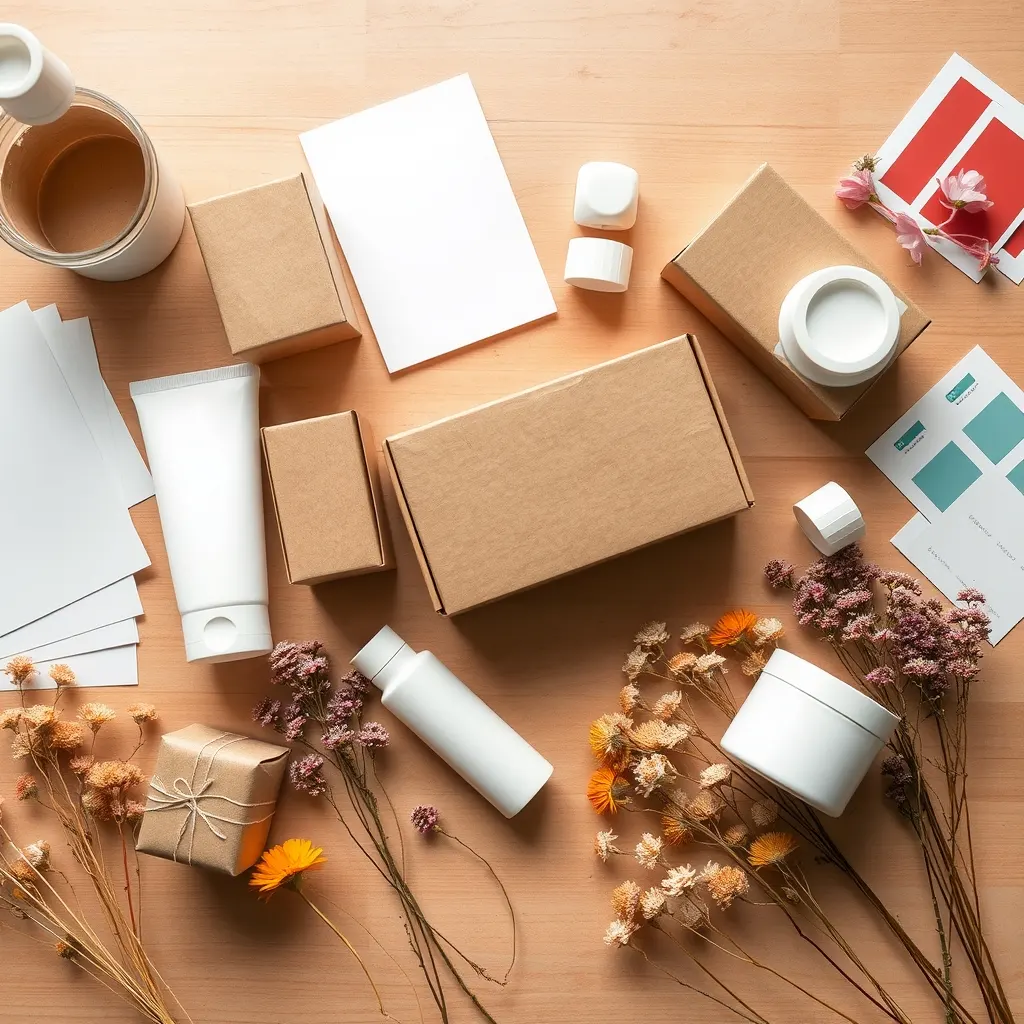
Almost every brand owner exploring Thailand OEM manufacturing hits the same fork in the road: should you pick an existing formula off a catalog, or commission something built from scratch? The private label vs custom formulation skincare decision shapes your timeline, your budget conversation, and how differentiated your line can actually be on a crowded shelf. This guide breaks down what each route really involves, where the trade-offs sit, and what questions to ask a manufacturer before you commit a SKU to either path.
What "private label" actually means in practice
Private label means you select a formula that already exists in a manufacturer's portfolio — a serum base, a cleanser, a body lotion — and apply your own branding, packaging and claims (within what the formula supports). The chemistry is fixed or only lightly adjustable: fragrance load, color, maybe a minor active swap if the base allows it. This is the faster, lower-friction route because the formulation and stability work is already done. It suits brand owners who want to move quickly, test a market, or launch a line without deep R&D involvement. The trade-off is that your competitors may have access to the same or a very similar base formula, so differentiation has to come from positioning, branding and bundling rather than the formula itself.
What "custom formulation" involves — and why it takes longer
Custom formulation means the lab builds a product around your brief: target actives, texture, sensory profile, claims you want to support, and sometimes specific exclusions (no silicones, no synthetic fragrance, vegan-only inputs). This typically runs through several rounds — concept, bench samples, adjustment, stability and compatibility testing — before the formula is locked. It gives you a proprietary product the manufacturer typically won't resell as-is to another brand, but it asks more of you upfront: a clearer brief, patience through sample rounds, and often a longer runway before the formula is production-ready. Timelines for custom work are confirmed with the manufacturer once the brief and testing scope are defined, since they depend heavily on the complexity of the formula.

Cost and MOQ: how the two paths compare
Neither route has a fixed price — cost depends on the actives, packaging, order volume and the specific manufacturer's setup, and your team should get a quote once the brief is clear. What is consistent across the industry, including for custom formulation skincare, is the standard MOQ of 1,000 units per SKU. Private label can sometimes feel more economical early on simply because there's no formulation development cost baked into your first order, while custom formulation often carries lab and development costs that are separate from unit pricing. Ask any manufacturer to break out formulation fees, sample costs and per-unit production costs separately so you're comparing like with like.
Beyond skincare: the same decision applies to adjacent categories
This private label vs custom build decision isn't unique to facial skincare — it runs across the whole personal care and wellness landscape. Brands building men's grooming products often start private label for beard oils or washes, then move to custom formulation once they want a signature scent or texture. In herbal product OEM, custom work is common because brands want specific botanical blends tied to a heritage story or regional ingredient sourcing. The same logic applies to health supplement OEM and broader supplement manufacturing, where private label can speed up a multivitamin or collagen launch, while custom formulation suits brands targeting a specific health claim or ingredient stack. Even home fragrance OEM follows this pattern — private label candles and diffusers for a fast launch, custom scent development for brands building a signature olfactory identity. Sites like oem-thailand.com walk through these category-specific nuances in more depth.
Questions to settle before you choose
Before briefing a manufacturer, get clear internally on: How differentiated does this product need to be versus what's already on the market? Do you have — or can you develop — a formulation brief with specific actives, textures and claims? What's your realistic timeline to first shipment, and can it absorb the extra sample rounds custom formulation usually requires? Is your budget structured to separate development costs from per-unit production costs? And finally, do you need documentation such as ingredient lists or safety data for your target market's import process — this is worth checking with your customs broker or local regulatory contact early, since requirements vary by destination.
A hybrid middle ground: modified private label
Many brand owners don't need to choose one extreme. A common middle path is starting with a private label base and requesting targeted modifications — adjusting an active's concentration, changing the fragrance, or tweaking viscosity — without a full custom build. This keeps development time and cost closer to private label while giving you some formulation ownership. It's worth asking any manufacturer upfront how flexible their private label catalog is for this kind of partial customization before assuming you need a fully custom formulation project.
Need expert support?
Leave your details and our team will get back to you.
FAQ
Frequently asked questions
Is private label skincare lower quality than custom formulation?
Not inherently. Private label formulas are often well-tested, stable products already in production. Quality depends on the manufacturer's standards and the specific formula, not on whether it's private label or custom.
Can I switch from private label to custom formulation later?
Yes, this is a common path. Many brands launch with private label to validate the market, then move specific SKUs to custom formulation once they have sales data and a clearer sense of what differentiation they want.
Does MOQ differ between private label and custom formulation?
The standard across the industry is 1,000 units per SKU regardless of route. What differs is the development cost and timeline leading up to that production order, which your manufacturer will confirm once the brief is set.
What documentation should I ask for when exporting either type of product?
Ask the manufacturer what documentation is provided per item — such as ingredient lists or safety data sheets — and check with your own country's customs or regulatory authority about what's required for import, since this varies by destination.
Prepared by the OEM Thailand team for informational purposes. Some links may lead to referred partners.
Articles
Related articles

OEM Manufacturing in Thailand: A Practical Guide for Brand Owners
If you're exploring how to start your own brand of skincare, cosmetics, supplements or fragrance without building a factory, Thailand is one of the more established places to look.
How to Choose a Fragrance Type for Your Brand: A Practical Framework
Choosing a fragrance type sounds like a creative decision, but for a brand owner working with a contract manufacturer it is really a product-development decision with downstream co

OEM vs ODM Cosmetics: What's the Real Difference for Brand Owners?
If you're trying to start your own brand in skincare, cosmetics, supplements or fragrance, you've probably run into the terms OEM and ODM and found that most explanations are eithe

Private Label vs. OEM Manufacturer: What's the Real Difference?
If you're planning to launch a skincare, supplement or fragrance line, you've likely seen "private label" and "OEM" used almost interchangeably — and that's where confusion starts.

How to Start a Skincare Brand in Thailand: A Step-by-Step Plan
If you want to know how to start a skincare brand in Thailand, the sequence matters more than the suppliers. Thailand has the formulators, the component makers and the certified fa

Best Country to Manufacture Skincare in Asia: How to Decide
There is no single best country - there is a best fit for your product, market and budget. The five criteria that decide it, what each hub is known for, and a decision process.