OEM & ODM basics
How to Start a Skincare Brand in Thailand: A Step-by-Step Plan
If you want to know how to start a skincare brand in Thailand, the sequence matters more than the suppliers. Thailand has the formulators, the component makers and the certified fa
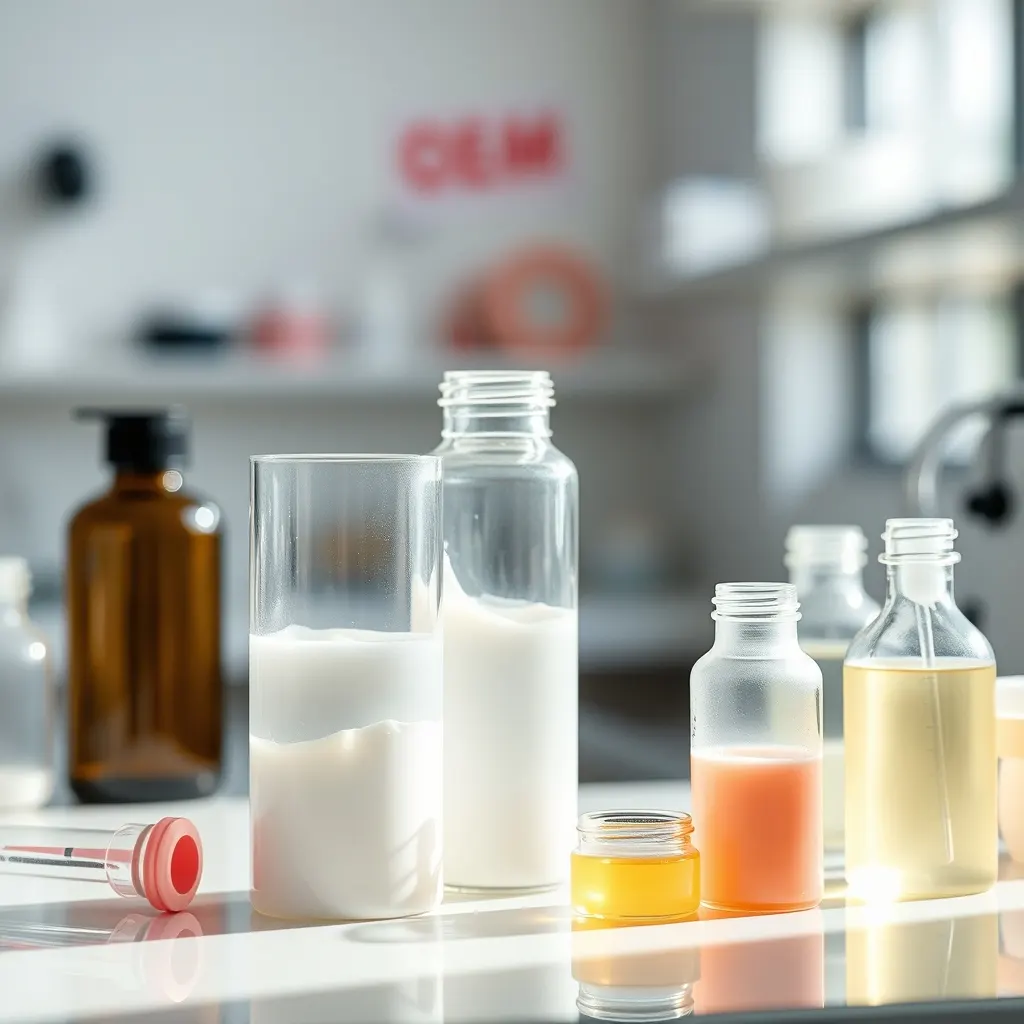
If you want to know how to start a skincare brand in Thailand, the sequence matters more than the suppliers. Thailand has the formulators, the component makers and the certified factories to take a brand from brief to finished stock, but brand owners who approach it in the wrong order end up with beautiful packaging around a formula that cannot be registered, or a warehouse of stock they have no route to sell. This guide sets out the steps in the order that keeps your options open and your capital intact.
Step 1: Decide what you are selling, and to whom
Before any factory conversation, settle three things. They sound like branding exercises; they are actually production constraints.
**The market.** Thailand, your home country, export, or online across several markets? This single answer determines your registration path, your labelling, your language, your claim limits and often your formula. A product designed for a market with strict ingredient restrictions is a different product from one designed for domestic sale.
**The customer and the shelf.** Who buys it, where do they see it, and what do they compare it to? A product sold through clinics needs clinical credibility and simple packaging; one sold on TikTok needs a visual hook and a story that survives a 15-second video; one sold in pharmacies needs regulatory tidiness above all.
**The hero product.** One product, not a range. The most common early mistake is launching six SKUs because the catalogue looks thin with two. Six SKUs means six formulas, six sets of components, six artwork files, six registrations and six times the inventory risk — on a product-market fit you have not yet proven. Launch one hero plus at most one supporting item, learn what repeats, then extend.
Write these down as a one-page brief. Everything after this — formulation, components, factory choice, documents — is a consequence of this page. Brand owners who skip it end up changing direction halfway through development, which is where sampling costs multiply.
Step 2: Choose your manufacturing route
Thai manufacturers typically offer three routes, and the right one depends on the product's role in your range rather than on your ambition.
**ODM — existing formula, your brand.** The factory has a stable, tested base: a niacinamide serum, a ceramide moisturiser, a gel sunscreen. You select it, adjust scent and colour within limits, and choose components. Fastest route to a real sample and the lowest development risk, because stability work on the base is already done. The formula is not exclusive to you.
**OEM — your specification.** You bring a spec or a benchmark product, and the factory formulates toward it. More control, more sampling rounds, more decisions for you. Standard skincare OEM work sits here, and it is where most serious brands operate once they know their category.
**Full custom development.** Co-developing a new formula from scratch. Appropriate for the one product your brand will be known for; wasteful as a default for everything.
The honest recommendation for a first launch is a mix: an ODM base for your supporting product, OEM or custom for the hero. That gives you something to sell while the harder product matures.
One point of vocabulary that saves confusion later: white label usually means a shared formula sold to multiple brands; private label implies more exclusivity in how it is presented to you. Neither term has a fixed legal meaning, so ask the specific question — can another brand buy this same formula? — rather than relying on the label.
Step 3: Formula development and samples
This is where briefs meet chemistry, and where good preparation pays for itself.
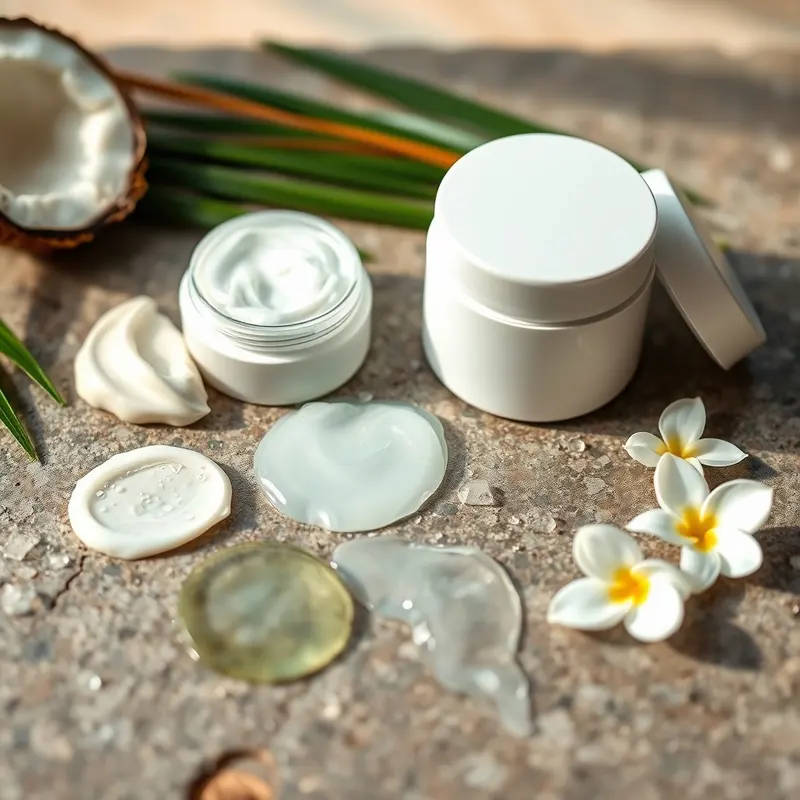
A workable brief names the texture, the key actives and their approximate levels, the sensory profile, the climate the product must survive, and one or two benchmark products. Adjectives like "luxurious" or "clean" mean nothing to a formulator; "lightweight gel-cream, absorbs in under a minute, no white cast, suitable for 30°C humid conditions, benchmark texture similar to product X" means a great deal.
Expect several sampling rounds. Each round should change a defined variable — texture, scent level, active percentage — not everything at once, or you will not know what caused the improvement. Record what you asked for and what you received; brand owners who evaluate samples from memory end up going in circles.
Then there is the part first-time founders consistently underestimate: **stability and compatibility testing**. A formula that looks perfect in a lab jar can separate, discolour or lose activity in your actual component at your actual market temperature. Accelerated stability work, challenge testing of the preservative system, and compatibility with the chosen packaging are not optional extras; they are the difference between a product and a liability. Ask what testing is included, what is quoted separately, and what the factory does if a batch fails.
Ask one commercial question during formula development too: if the formula is created to your specification, who owns it? Agree ownership, exclusivity and confidentiality in writing before the work starts, not after you approve a sample.
Step 4: Packaging, labelling and claims
Components delay more launches than formulas do, because they involve more parties and longer lead chains.
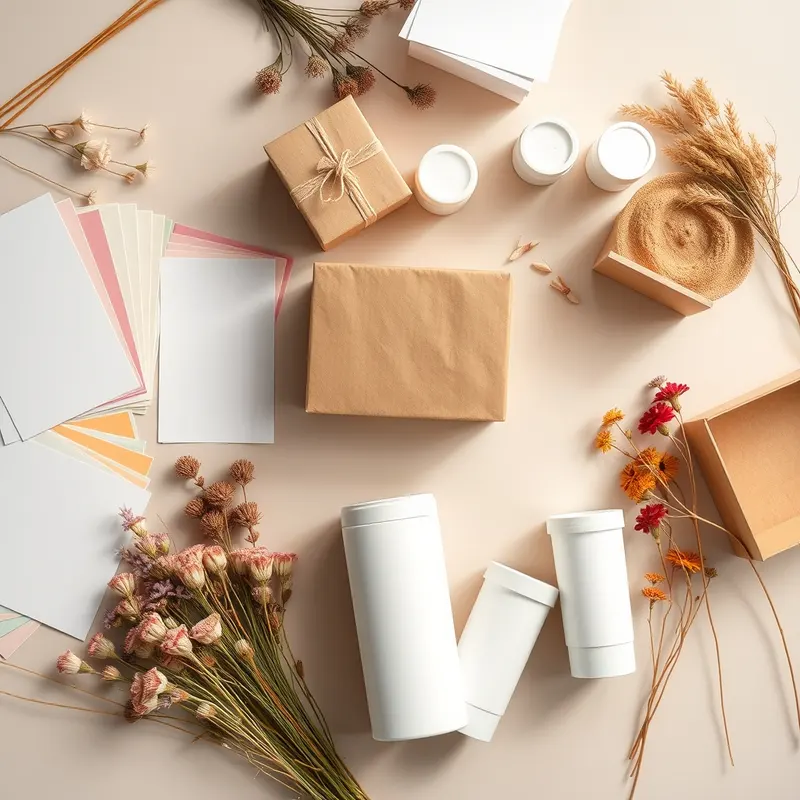
**Component decisions.** Glass or PET, airless pump or jar, tube or bottle, stock mould or custom tooling, print or label, carton or none. Each affects cost, shipping weight, breakage, shelf presence and formula stability. Thai packaging suppliers offer a wide range of stock components that look considerably better than they used to, which is usually the smart first-launch choice; custom tooling is a separate project with its own minimums, approvals and timeline.
**Decoration.** Screen printing, hot stamping, labels and shrink sleeves each have different minimum runs and different tolerance for design detail. Fine type and gradients do not always survive the process you picked.
**Labelling.** Every market has mandatory content: ingredient list in the required nomenclature, net content, batch identification, responsible-party details, and warnings where applicable. Get the requirements for your market confirmed before artwork is finalised — reprinting labels for thousands of units is an avoidable, memorable expense.
**Claims.** The claim is a regulatory decision disguised as a marketing one. Cosmetics may address appearance and feel; language implying treatment of a condition can push the product into a different regulatory category with a different approval route. Ingredient restrictions and permitted claims vary between markets and are revised periodically, so verify the current rules with the relevant authority — the Thai FDA for products sold in Thailand, and the equivalent body in each export market.
Approve artwork only after you have held the finished product in the final component. The sequence matters.
Step 5: Registration, production and quality control
Two parallel tracks run here, and both have to finish before you can sell.
**On the regulatory track**, a cosmetic sold in Thailand is generally subject to notification with the Thai FDA, filed by a party established in Thailand. For export markets, each destination has its own process and its own responsible entity — which may be your local company, your distributor, or an appointed representative. The factory supplies supporting documents: formula and ingredient information, manufacturing-site GMP documentation, certificates of analysis per batch and export paperwork per consignment, provided per item when you order. Submitting the applications is the responsibility of whoever is registered in that market. Confirm current requirements with each authority rather than assuming they match Thailand's.
**On the production track**, the practical variables are quantity, scheduling and quality control. The standard minimum for contract manufacturing is 1,000 units per SKU, and "per SKU" is the detail that catches people — three sizes of one serum is three SKUs. Your order quantity also has to clear the minimums of your component suppliers, which sometimes exceed the factory's.
For quality control, agree before production starts: what gets checked, against what specification, who inspects, what sampling plan applies, and what happens to a batch that fails. Ask for batch records and certificates of analysis as standard practice rather than on request.
Plan documentation time as its own stage rather than assuming it runs in parallel with everything else. Timelines depend on the product, the testing required and the market, and should be confirmed when you receive a quotation.
Step 6: Budget, launch and what to do next
Build the budget bottom-up, because the formula is rarely the biggest line.
Plan for: formula development and sampling; testing (stability, challenge, microbiology, and any claim substantiation you need); components, including tooling if you choose custom; decoration and artwork; the production run itself at your minimum quantity; registration and documentation in each market; freight and duties; and then the commercial costs — photography, content, platform fees and the marketing spend to get the first thousand units moving. Pricing depends on product, components and volume, so treat quoted figures as specific to your brief rather than as a market rate.
Work your pricing backwards from the shelf. Decide the retail price your customer accepts, subtract retail or platform margin, marketing cost per unit, logistics and your own margin, and you have the landed cost your product must fit. If it does not fit, change the specification or the volume — not your margin.
Then launch narrow and read the data. Sell-through rate, repurchase rate and the questions customers ask tell you what to build next. Extend into formats that share components or base formulas, since that keeps minimums manageable; a beauty supplement OEM line, for instance, follows an entirely separate regulatory path from topicals and should be planned as its own project even under the same brand.
Finally, keep comparing. Shortlisting several Thai OEM/ODM factories through a verified-supplier platform such as THAIMOST (thaimost.com), or working with a full-service partner like 5FINE (5fineglobal.com) that manages development and production through GMP-certified partner factories, are both reasonable routes — and the right one depends on how much of the process you want to run yourself.
Need expert support?
Leave your details and our team will get back to you.
FAQ
Frequently asked questions
What is the minimum order to start a skincare brand in Thailand?
The standard contract-manufacturing minimum is 1,000 units per SKU. Because it applies per SKU, the way to keep a first launch small is to reduce the number of products rather than ask for a lower quantity — one hero product at the standard minimum commits far less capital than five variants, and gives you a much clearer read on demand.
Do I need a company in Thailand to manufacture there?
You can contract a Thai factory as an overseas company and export the finished goods. A Thai entity becomes relevant when you intend to sell domestically, because notification and distribution in Thailand are handled by a party established there. Confirm the current requirements with the Thai FDA or a local regulatory consultant before deciding on your structure.
Who owns the formula the factory develops for me?
It depends entirely on your written agreement. Ready-made ODM bases normally remain the factory's property and may be supplied to other brands, while a formula developed to your specification can be treated as exclusive if the contract says so. Settle ownership, exclusivity and confidentiality before development begins rather than after you approve a sample.
Should I start with an existing formula or develop my own?
For a first launch, an existing base removes development risk and gets you to a stable, tested product faster, which matters when you are still learning your market. Custom development is worth it for the product your brand will be known for. Many brands run both: an ODM supporting product alongside one custom hero formula.
Prepared by the OEM Thailand team for informational purposes. Some links may lead to referred partners.
Articles
Related articles
What ODM Skincare Includes: A Brand Owner's Guide to the Full Package
If you're comparing contract manufacturing routes for a new skincare, supplement or fragrance line, you've probably run into the term ODM and wondered exactly what's inside it vers
Small Batch Cosmetic Manufacturer Thailand: What Buyers Decide
Looking for a small batch cosmetic manufacturer in Thailand usually means one of three different things. Knowing which one you mean changes who you should be talking to.
Difference Between OEM and Private Label Manufacturing Explained
The difference between OEM and private label manufacturing comes down to one question: who controls the product specification? In OEM, the brand defines what gets made; in private
Private Label vs Custom Formulation Skincare: Which Path Fits Your Brand?
Almost every brand owner exploring Thailand OEM manufacturing hits the same fork in the road: should you pick an existing formula off a catalog, or commission something built from
ODM Skincare Thailand: How It Works and When to Choose It Over OEM
If you're exploring how to start your own brand in skincare without building a lab from scratch, you've likely come across two acronyms that get used loosely and often incorrectly:

Best Country to Manufacture Skincare in Asia: How to Decide
There is no single best country - there is a best fit for your product, market and budget. The five criteria that decide it, what each hub is known for, and a decision process.