OEM & ODM basics
What ODM Skincare Includes: A Brand Owner's Guide to the Full Package
If you're comparing contract manufacturing routes for a new skincare, supplement or fragrance line, you've probably run into the term ODM and wondered exactly what's inside it vers
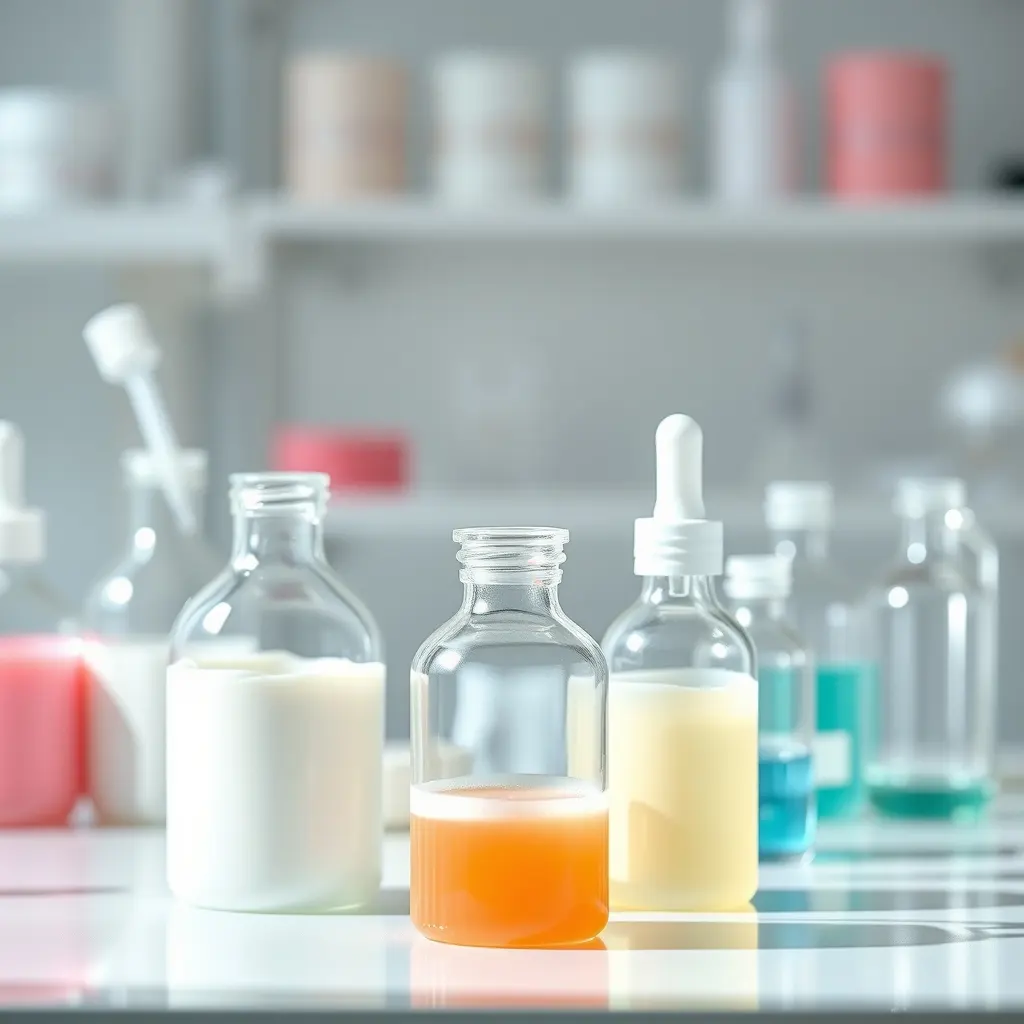
If you're comparing contract manufacturing routes for a new skincare, supplement or fragrance line, you've probably run into the term ODM and wondered exactly what's inside it versus plain OEM. Understanding what ODM skincare includes matters because it changes how much work falls on you versus the factory, how fast you can launch, and how much formula ownership you actually hold. This guide breaks down the components of an ODM package step by step, the decisions you'll need to make along the way, and where it overlaps with OEM so you can pick the model that fits your brand.
OEM vs ODM: the core difference
OEM (Original Equipment Manufacturer) means you bring your own formula, or a custom one developed specifically for you, and the factory produces it under your brand. ODM (Original Design Manufacturer) means the factory already has a formula, packaging concept, or full product design in its catalog, and you adapt it — adjusting fragrance, color, claims, or packaging — rather than starting from zero. ODM is generally faster to get to a finished product because the formulation groundwork is already done, but it also means less exclusivity unless you negotiate otherwise. Many Thai OEM/ODM factories run both models in parallel, so the same production line might manufacture a fully custom OEM formula for one client and a catalog-based ODM product for another.
What's typically included in an ODM skincare package
A standard ODM offer usually covers: a base formula selected from the manufacturer's existing range, options to tweak texture, scent, active ingredient concentration or color within set limits, stock or semi-custom packaging components, basic label and artwork guidance, and a sample round so you can confirm the product before committing to production. Some manufacturers also include regulatory documentation support for products that already have certification on file, since paperwork is prepared per item at the time of ordering rather than guaranteed as a blanket promise. What's usually NOT included by default: fully custom actives sourcing, formula changes beyond the manufacturer's approved framework, or bespoke packaging molds — those push the project back toward a custom OEM arrangement with its own timeline and cost structure.
Formulation flexibility: how much can you actually change?
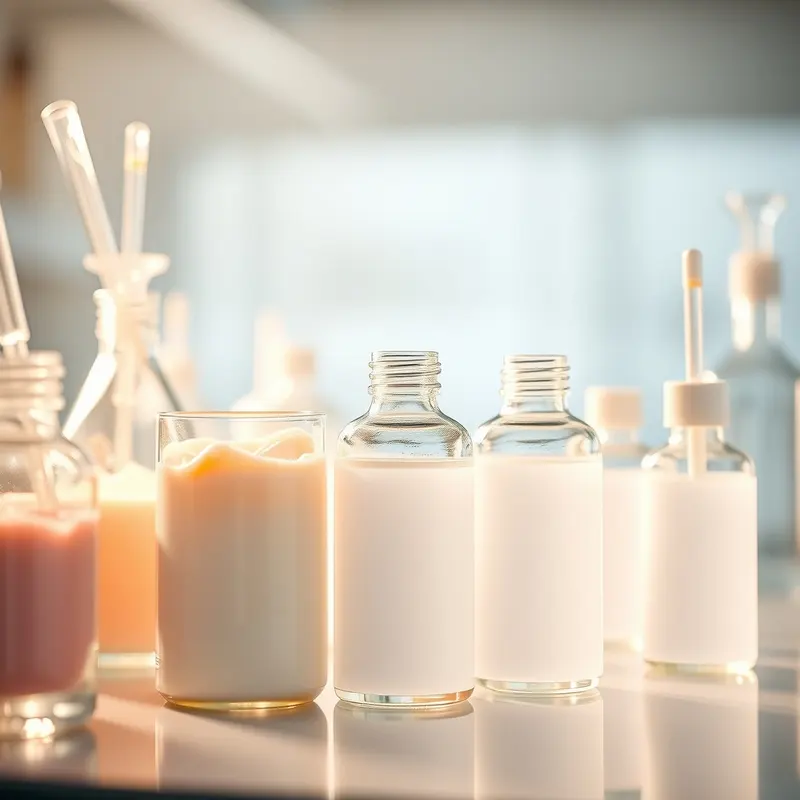
This is the question every brand owner should ask before signing on. ODM formulas sit on a spectrum. At one end, you might only be able to pick a fragrance from a pre-approved list. At the other, the manufacturer offers a modular base where you can swap in a specific active, change the preservative system, or adjust viscosity — essentially a semi-custom build. Categories like beauty supplement OEM and herbal balm OEM often lean toward this semi-custom model because the base formats (capsules, gummies, balms) are standardized for efficiency, while actives and dosages can still be adapted to your positioning. Ask the factory directly what falls inside their ODM framework versus what triggers a custom quote — this avoids surprises later in development.
Packaging and branding under ODM
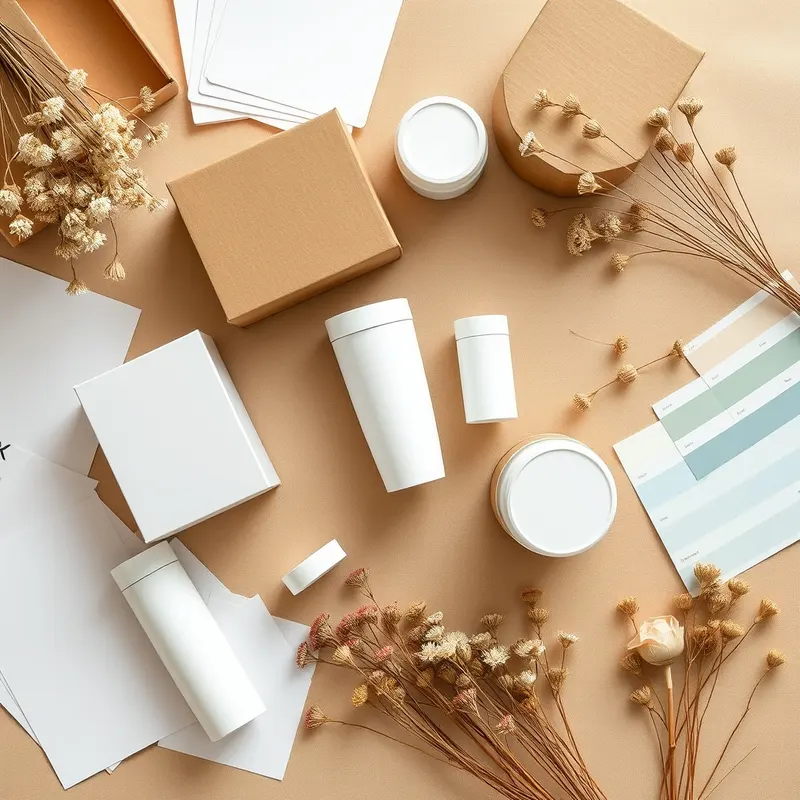
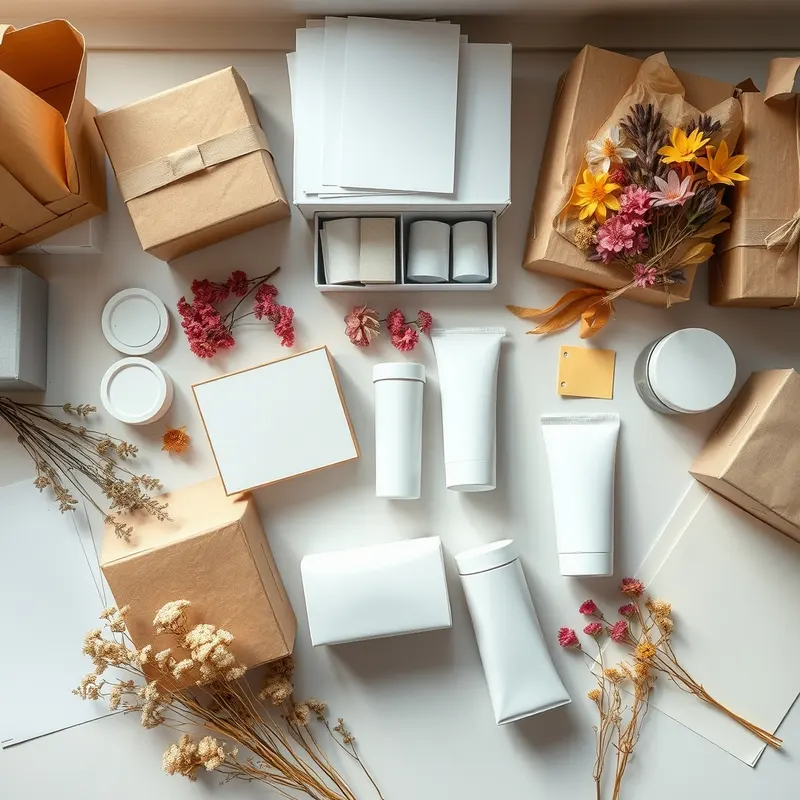
Packaging in an ODM arrangement is usually chosen from existing molds or component libraries the factory already stocks — jars, tubes, bottles, sachets, droppers — which keeps costs and lead times more predictable than tooling a new mold. Branding is applied through label printing, box design, or sleeve wraps, which you control independently of the product formula. If you want packaging that's fully unique to your brand, that's achievable, but it moves part of the project outside standard ODM territory and into custom development, with its own decisions around minimum order quantities for tooling and materials.
MOQ, samples and how decisions get made
For OEM/ODM production in Thailand, the standard reference point is an MOQ of 1,000 units per SKU — this applies broadly whether you're working from a catalog base or a custom formula, though it can shift depending on the product category and packaging choice. Before committing to that quantity, most manufacturers run a sample stage so you can test texture, scent, stability and packaging fit. Pricing isn't fixed upfront in a generic way — it depends on the formula, packaging, and order volume, and an OEM manufacturer in Thailand will typically quote this once your specifications are confirmed. Treat the sample round as your checkpoint: it's where you lock decisions on formula tweaks, packaging components and label details before scaling to production volume.
Choosing a partner: what to compare across Thai OEM/ODM factories
Not all ODM catalogs are equal. When comparing options, look at the breadth of the base formula library in your category, how transparent the factory is about what's modifiable versus fixed, what documentation is available per item, and how the sample-to-production process is structured. Some directories and comparison resources, such as 5FINE, list manufacturer profiles and category specializations, which can be a useful starting point when you're narrowing down which Thai OEM/ODM factories actually match your product category — whether that's skincare, beauty supplements, or herbal balms — before you start requesting samples directly.
Need expert support?
Leave your details and our team will get back to you.
FAQ
Frequently asked questions
Is ODM cheaper than OEM?
It can reduce development time and cost since the base formula already exists, but final cost depends on the product, packaging choices and order volume — a manufacturer will quote this once specifications are set, rather than a fixed general price.
Can I still claim exclusivity with an ODM product?
Exclusivity depends on what you negotiate with the factory. A catalog base used by multiple brands isn't inherently exclusive, but formula tweaks, unique packaging, and contractual terms can create differentiation — this is worth discussing directly with the manufacturer before committing.
Does ODM skincare include regulatory paperwork?
Some manufacturers provide documentation for items that already have certification on file, prepared per product at order time. It's not a blanket guarantee across every SKU, so confirm what's available for your specific product during quoting.
What's the MOQ for an ODM skincare product?
The standard reference across OEM/ODM production in Thailand is 1,000 units per SKU, though the exact figure can be shaped by your packaging and formula choices — this gets confirmed during the quoting stage.
Prepared by the OEM Thailand team for informational purposes. Some links may lead to referred partners.
Articles
Related articles
White Label vs Private Label Cosmetics: What Brand Owners Actually Need to Know
Anyone sourcing skincare, cosmetics or beauty supplements eventually runs into the same wall of jargon: white label, private label, OEM, ODM. The terms get used loosely, sometimes
Private Label vs. OEM Manufacturer: What's the Real Difference?
If you're planning to launch a skincare, supplement or fragrance line, you've likely seen "private label" and "OEM" used almost interchangeably — and that's where confusion starts.
Contract Manufacturer vs OEM Factory: The Real Difference
The difference between contract manufacturer and OEM factory is mostly about who owns what: the formula, the specification and the responsibility for
ODM Skincare Thailand: How It Works and When to Choose It Over OEM
If you're exploring how to start your own brand in skincare without building a lab from scratch, you've likely come across two acronyms that get used loosely and often incorrectly:
How Cosmetic OEM Works: A Brand Owner's Guide to Manufacturing in Thailand
If you want to start your own brand in skincare, cosmetics or wellness, you will eventually hit the question: how does cosmetic OEM actually work? OEM (Original Equipment Manufactu
Small Batch Cosmetic Manufacturer Thailand: What Buyers Decide
Looking for a small batch cosmetic manufacturer in Thailand usually means one of three different things. Knowing which one you mean changes who you should be talking to.