OEM & ODM basics
Small Batch Cosmetic Manufacturer Thailand: What Buyers Decide
Looking for a small batch cosmetic manufacturer in Thailand usually means one of three different things. Knowing which one you mean changes who you should be talking to.
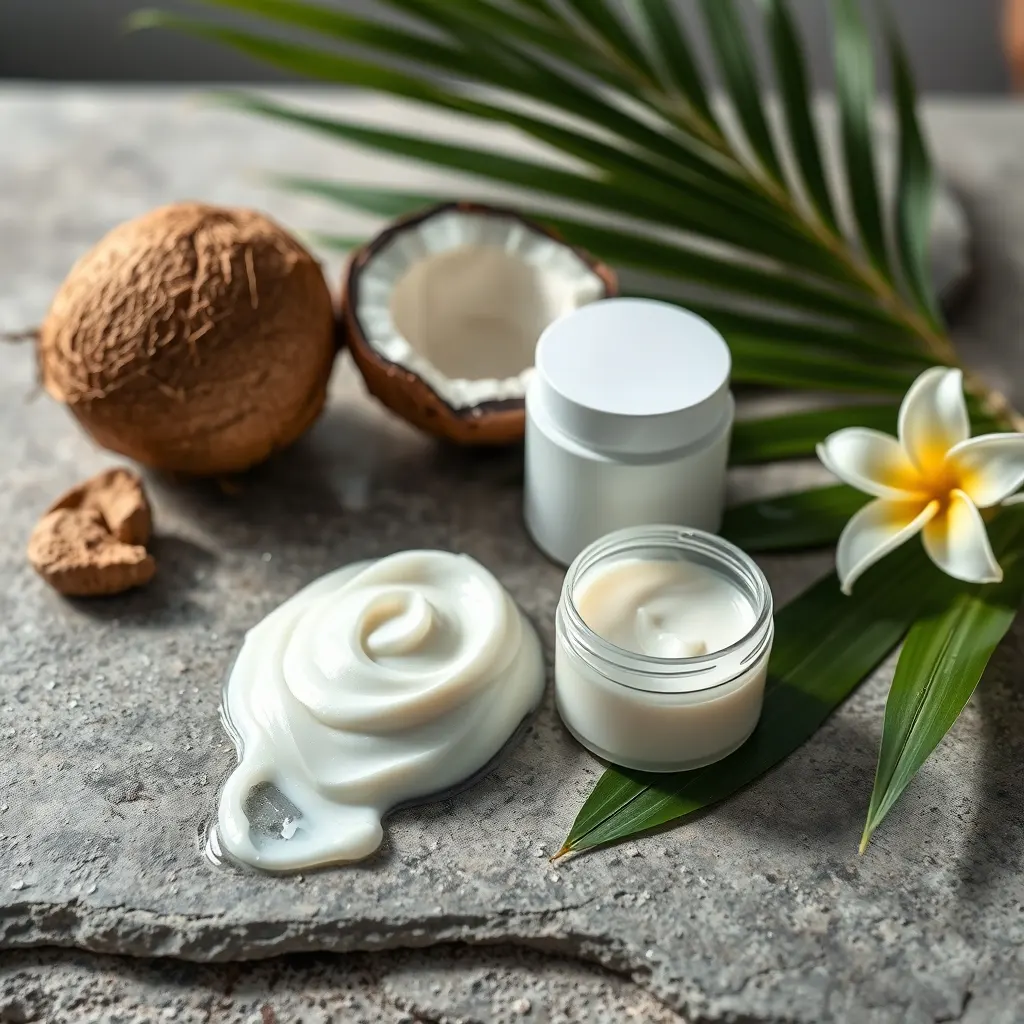
Searching for a small batch cosmetic manufacturer in Thailand usually means one of three quite different things: you want sample quantities to test a formula, you want a short production run to launch with, or you want to keep your total commitment low across a small range. Those are three separate conversations, and the factories answer them differently. This guide separates them, explains what actually drives a minimum run, and sets out the decisions that determine whether a lean launch is workable for your product.
Three things buyers mean by small batch
Before contacting anyone, work out which of these you are actually asking for, because the answers are not interchangeable.
**Development and sample quantities.** Lab-scale batches made to evaluate texture, scent, colour, stability and packaging fit. These exist in every serious development process and are not production. They are made in small volumes by design, they are not priced per unit in a meaningful way, and they are the right tool for testing an idea before you commit.
**A short production run for launch.** Sellable stock, correctly filled, labelled and documented, in a quantity that lets you launch without carrying a warehouse. This is where minimum run quantities apply. Across cosmetic contract manufacturing, the standard figure to plan around is MOQ 1,000 units per SKU.
**A lean total commitment across a range.** Here the real question is not units per product but how many products you launch with. A founder who wants four variants is committing to four minimum runs. Launching two instead of four halves the commitment without touching the per-SKU minimum.
Most brand owners asking about small batch actually need the third option, and discover that the answer is SKU discipline rather than a smaller minimum. Narrowing the range is the single most effective way to launch lean.
What actually determines a minimum run
Minimums are not a negotiating position invented by sales teams. They come from physical and regulatory realities that apply at any **Thai OEM/ODM factories** you approach.
- **Vessel and line scale.** A mixing vessel has a working range. Below a certain fill level, mixing, heating and homogenising stop behaving predictably, and the batch is not representative of the approved sample.
- **Changeover and cleaning.** Between products, lines are cleaned, flushed and verified. That cost is the same whether the run is short or long, so it weighs heavily on small runs.
- **Raw material pack sizes.** Actives, fragrance compounds and preservative systems are bought in set quantities. A formula needing a specialist active may require a minimum purchase far larger than a tiny run would consume, leaving the balance stranded.
- **Component minimums.** Bottles, caps, pumps, tubes, cartons and labels each carry their own supplier minimums, and printing has setup costs per design.
- **Testing and documentation.** Stability testing, microbiological testing and the technical file take the same effort regardless of run length.
This is why a factory quoting on **cosmetic bottles and pumps** might find the packaging minimum, not the filling minimum, is the binding constraint. When you evaluate a quotation, ask which element sets the floor. The answer tells you where flexibility exists and where it genuinely does not.
Choosing a formula route that suits a lean launch
Your choice of formula route has more effect on how lean you can launch than almost anything else.
**ODM, starting from a factory-developed formula.** The formula already exists, has been stability tested and has a documented raw material supply. Development time is shorter, risk is lower, and you are changing fragrance where possible, packaging and branding. For a first launch on a tight budget, this is usually the sensible route.
**OEM, production to your own specification.** You bring the direction or the formula; the factory produces it. More control, more rounds of sampling, more inputs you need to supply correctly.
**Full custom development.** A new formula co-developed from a brief. The most differentiated outcome and the longest road, with more sample rounds, more testing and more specialist raw materials. Hardest to pair with a lean first run, because development cost is spread across fewer units.
A practical middle path many founders take: launch the first range on ODM formulas with distinctive packaging and positioning, prove the market, then invest in custom development for the hero product once there is revenue behind it. If you intend to **start your own brand** with limited capital, this sequencing keeps your early money in marketing and inventory rather than in formulation.
Category matters more than you expect
Some product categories are far friendlier to a short run than others, and choosing well at the brief stage saves money you cannot recover later.
Generally easier: simple anhydrous products such as balms and oils, where water-free formulation reduces preservation complexity; single-phase liquids and serums; and products that use standard stock packaging rather than custom moulds. Thailand has particular depth in herbal and traditional formats, so a **herbal balm OEM** project often has well-trodden formulas and established raw material supply behind it.
Generally harder: colour cosmetics, where every shade is a separate SKU with its own pigment purchasing and its own minimum; sunscreens, which carry SPF testing requirements and tighter regulatory scrutiny; and products needing custom-moulded packaging, where tooling cost is a one-off that only makes sense at volume.
Ingestible products sit in their own bracket. A **beauty supplement OEM** project involves different facility requirements, different testing, and documentation specific to food or supplement rules in your destination market, which may or may not be the same market as your cosmetics.
So when you plan a lean launch, choose a category where the format is well established, keep the shade or variant count down, and accept stock packaging for the first run. Save custom tooling and complex formats for when volume supports them.
Questions to ask before you commit
When you shortlist potential partners, these questions separate a real manufacturing conversation from a sales pitch.
- **Is the facility GMP certified, and under which scheme?** Ask what the certificate covers and request to see it rather than taking a logo on a website as proof.
- **Are you a manufacturer or an intermediary?** Both models can work, but you need to know which you are dealing with and where the production actually happens.
- **What sets the minimum for my specific product?** Vessel size, raw material purchase, packaging, or printing. Ask for the binding constraint.
- **What does the sampling process look like?** How many rounds are typical, what is tested at each stage, and who pays for shipping.
- **Which tests are standard and which are on request?** Stability, challenge testing, compatibility with the chosen pack, heavy metals and microbiology.
- **What documents do you supply for my market registration?** Specifications, safety data, certificates of analysis, free sale documentation where available.
- **Who owns the formula?** Particularly important for custom development. Get it in writing.
- **How are changes handled after approval?** Packaging switches and artwork revisions after sign-off have consequences; know them in advance.
Prices, quantities and timelines depend on the product and the specification, and are confirmed when a factory prepares a formal quotation. Treat any figure given before that as an indication only.
Planning a lean launch that can scale
A good lean launch is not a smaller version of a big launch. It is structured so that the second order is easier than the first.
Start by narrowing the range. Two or three SKUs that work together as a routine beat six that fragment your inventory and your marketing. Each SKU you cut removes a minimum run, a packaging minimum, a printing setup and a testing cycle.
Next, standardise components across SKUs wherever the formula allows. One bottle format in two sizes, one cap, one carton structure with different print, is dramatically cheaper and simpler than five bespoke presentations. It also means a reorder can be consolidated.
Then plan the regulatory path in parallel with production rather than after it. Thai FDA cosmetic notification applies to products made and sold in Thailand, and your destination market will have its own process with its own responsible party. Confirm current requirements with the relevant authority or a regulatory consultant, agree with your manufacturer which documents they will supply, and start that work while samples are still being approved.
Finally, set a reorder trigger before you launch. Decide in advance at what stock level you reorder, because a production cycle takes time and a successful launch that runs out of stock loses momentum that is hard to rebuild. Factories such as 5FINE (5fineglobal.com) manage development, packaging and production through GMP partner facilities as one point of contact, which is one option among several worth comparing when you need both a lean first run and a credible path to scale.
Need expert support?
Leave your details and our team will get back to you.
FAQ
Frequently asked questions
Can I get a cosmetic made in a very small quantity for testing?
Yes. Development and sample batches exist precisely so you can evaluate texture, scent, stability and packaging fit before committing to production. They are part of the normal development process. For sellable production stock, plan around the standard minimum of 1,000 units per SKU, and confirm details when the factory prepares your quotation.
Why can factories make samples but not small production runs?
Samples are made at lab scale for evaluation, not for sale, so they do not need the full production chain. A sellable run needs line changeover and cleaning, raw material purchases in supplier pack sizes, packaging and printing minimums, and the full testing and documentation set. Those costs apply regardless of run length, which is what creates a minimum.
Is it cheaper to launch one product or several at once?
Launching fewer SKUs almost always requires less capital, because each product carries its own minimum run, packaging minimum, print setup and testing cycle. Sharing components across a small range reduces cost further. A focused two or three product launch is usually both cheaper and easier to market than a wide first range.
Does ODM mean my product is identical to someone else's?
Not necessarily identical, but the base formula may be shared. You differentiate through fragrance where it can be changed, packaging, positioning, claims and brand experience. If formula exclusivity is central to your proposition, custom development is the route, with the longer timeline and higher development investment that comes with it.
Prepared by the OEM Thailand team for informational purposes. Some links may lead to referred partners.
Articles
Related articles

Best Country to Manufacture Skincare in Asia: How to Decide
There is no single best country - there is a best fit for your product, market and budget. The five criteria that decide it, what each hub is known for, and a decision process.

What ODM Skincare Includes: A Brand Owner's Guide to the Full Package
If you're comparing contract manufacturing routes for a new skincare, supplement or fragrance line, you've probably run into the term ODM and wondered exactly what's inside it vers

Private Label vs. OEM Manufacturer: What's the Real Difference?
If you're planning to launch a skincare, supplement or fragrance line, you've likely seen "private label" and "OEM" used almost interchangeably — and that's where confusion starts.
How Cosmetic OEM Works: A Brand Owner's Guide to Manufacturing in Thailand
If you want to start your own brand in skincare, cosmetics or wellness, you will eventually hit the question: how does cosmetic OEM actually work? OEM (Original Equipment Manufactu

Contract Manufacturer vs OEM Factory: The Real Difference
The difference between contract manufacturer and OEM factory is mostly about who owns what: the formula, the specification and the responsibility for

OEM vs ODM Cosmetics: What's the Real Difference for Brand Owners?
If you're trying to start your own brand in skincare, cosmetics, supplements or fragrance, you've probably run into the terms OEM and ODM and found that most explanations are eithe