OEM & ODM basics
What Is the Difference Between OEM and Third-Party Manufacturing?
Brand owners researching how to get a skincare, cosmetics, supplement or fragrance line made often run into these two terms used almost interchangeably — and that's part of the con
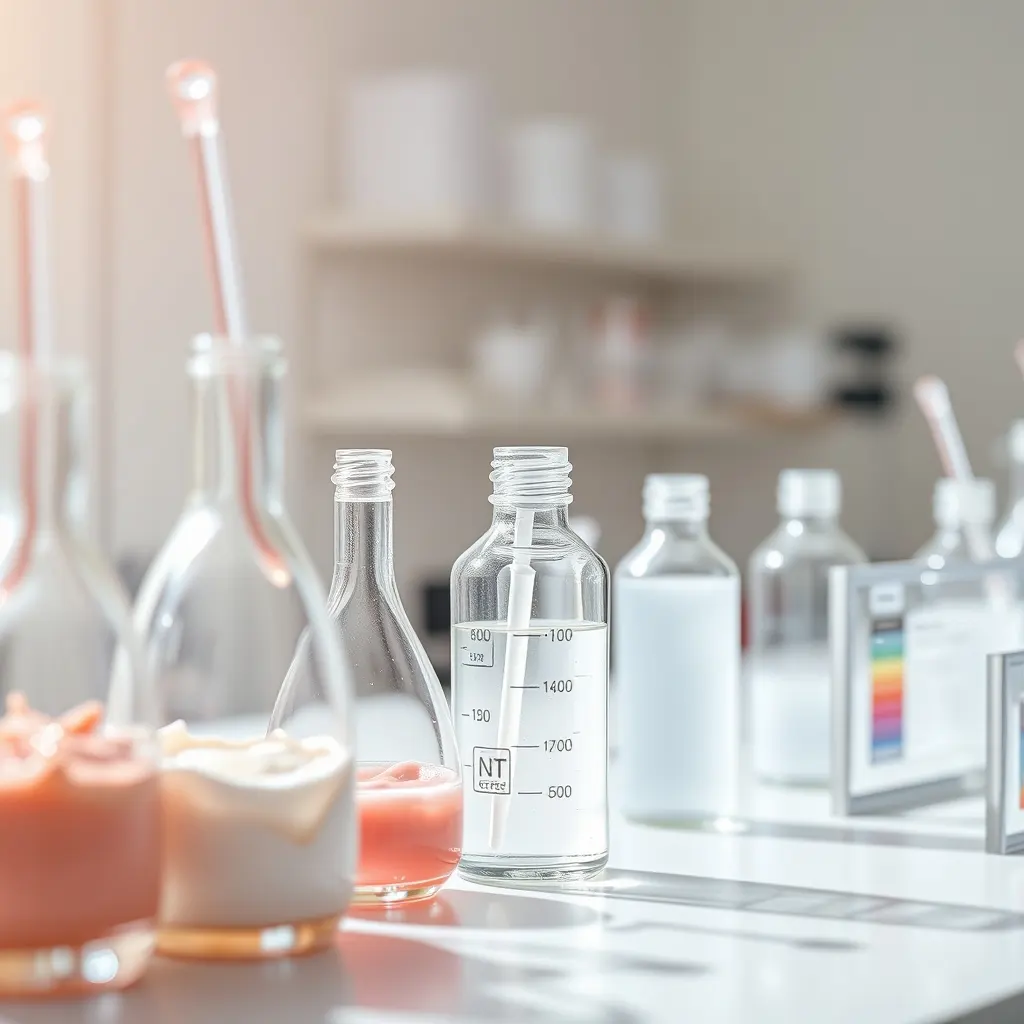
Brand owners researching how to get a skincare, cosmetics, supplement or fragrance line made often run into these two terms used almost interchangeably — and that's part of the confusion. "Third-party manufacturing" is a broad umbrella term for any production done by a company other than the brand itself. "OEM" (Original Equipment Manufacturer) is one specific model within that umbrella, distinguished by who owns the formula, who controls the branding, and how much customization is involved. Understanding the difference matters because it changes what you can negotiate, what you own, and what decisions sit on your plate versus the factory's.
Third-party manufacturing: the broad category
Third-party manufacturing simply means a company other than the brand owner handles production. It's a contractual relationship, not a specific process. Under this umbrella sit several distinct arrangements: OEM, where the factory manufactures a product to the brand's specifications or to an existing formula; ODM (Original Design Manufacturer), where the factory already has a developed formula or product design that brands can adopt and customize with their own branding; and private label, which often refers to picking an existing, ready-made formula and simply applying your label to it. These terms get used loosely in the industry, and different factories may define them slightly differently, so it's worth clarifying exact scope in any conversation with a manufacturer rather than assuming a shared definition.
What specifically defines OEM
In the OEM model, the brand owner typically brings a formula, a technical specification, or detailed requirements, and the factory manufactures the product according to those instructions. The intellectual property around the formula can sit with the brand, the factory, or be jointly developed, depending on what's agreed — this is a point worth clarifying explicitly in any contract rather than assuming. OEM work suits brands that already have a formulation (developed in-house, by a chemist, or inherited from a previous manufacturer) and need a factory with the equipment and compliance infrastructure to produce it at scale. It generally involves more back-and-forth during development: stability testing, sample rounds, and adjustments before the formula is locked for production.

Where ODM and private label fit in
ODM differs from OEM in that the factory already owns a base formula or product design — a cream, a serum, a supplement blend — developed for general use. The brand owner selects from existing options, requests reasonable customization (fragrance, texture tweaks, packaging, claims within what the formula supports), and brands it. This path is usually faster to get to samples because the core formulation work is already done. Private label sits close to ODM but with even less customization — often just the label and packaging change, while the formula stays as-is. None of these labels are strictly standardized across the industry, so the practical question to ask a factory isn't 'is this OEM or ODM' but 'who owns this formula, and how much can I change about it.'
Key decisions this distinction affects
The OEM-versus-broader-third-party distinction isn't academic — it shapes real decisions. First, formula ownership and whether you can take it to another factory later if the relationship doesn't work out. Second, development timeline: OEM from a brand-new formula typically involves more iteration than adopting an existing ODM base. Third, customization limits: an existing ODM formula has boundaries on what can reasonably be changed (a factory can usually adjust scent, color or packaging more easily than core actives or texture). Fourth, minimum order quantities — in practice, the standard across this industry is 1,000 units per SKU, regardless of whether the work is OEM or ODM, though this should always be confirmed for the specific product. Fifth, compliance and documentation: for cosmetics, supplements or fragrance, the paperwork trail (ingredient documentation, Thai FDA registration where applicable, export documents) is tied to the product and manufacturer, so it needs to be clear upfront who is responsible for what, and it's generally worth checking requirements with the customs or regulatory authority in your destination market as well.

How to choose between OEM and an existing (ODM) formula
If you already have a validated formula and primarily need production capacity, compliance support, and packaging execution, an OEM arrangement is the more direct fit. If you're starting from scratch, don't have in-house formulation expertise, or want to get to market faster with a proven base, exploring a factory's existing ODM catalog can shorten the formulation stage considerably, with customization applied where the base formula allows it. Either way, the decisions worth working through with any potential manufacturer are the same: who retains rights to the formula, what documentation comes with the product, how samples and revisions are handled before committing to a production run, and how packaging and labeling requirements for your target market are addressed. Platforms covering Thailand's manufacturing landscape, such as 5FINE and THAIMOST, profile factories working across both OEM and ODM models, which can be a useful way to compare how different manufacturers structure these arrangements before reaching out.
Need expert support?
Leave your details and our team will get back to you.
FAQ
Frequently asked questions
Is OEM always more expensive than ODM or private label?
Not necessarily — cost depends on the complexity of the formula, the degree of customization, packaging choices and order volume rather than the label used for the arrangement itself. It's a question to raise directly when requesting a quote.
Can I switch a product from OEM to a different factory later?
It depends on who owns the formula and what the manufacturing agreement states. This is why clarifying IP ownership in writing before production starts is one of the more important steps in setting up the relationship.
Does the MOQ differ between OEM and ODM products?
The standard across the industry is 1,000 units per SKU, which generally applies whether you're working from your own formula (OEM) or an existing base formula (ODM). Specific products or packaging may affect what's practical, so this is confirmed at the quoting stage.
How do I know if a factory is offering OEM or ODM when they don't say clearly?
Ask directly who developed and owns the formula being discussed, and how much of it can be changed. That answer tells you more than the label the factory uses for its own services.
Prepared by the OEM Thailand team for informational purposes. Some links may lead to referred partners.
Articles
Related articles

How to Start a Skincare Brand in Thailand: A Step-by-Step Plan
If you want to know how to start a skincare brand in Thailand, the sequence matters more than the suppliers. Thailand has the formulators, the component makers and the certified fa
How to Choose a Fragrance Type for Your Brand: A Practical Framework
Choosing a fragrance type sounds like a creative decision, but for a brand owner working with a contract manufacturer it is really a product-development decision with downstream co

How Cosmetic OEM Works: A Brand Owner's Guide to Manufacturing in Thailand
If you want to start your own brand in skincare, cosmetics or wellness, you will eventually hit the question: how does cosmetic OEM actually work? OEM (Original Equipment Manufactu

OEM vs ODM Cosmetics: What's the Real Difference for Brand Owners?
If you're trying to start your own brand in skincare, cosmetics, supplements or fragrance, you've probably run into the terms OEM and ODM and found that most explanations are eithe
Private Label vs Custom Formulation Skincare: Which Path Fits Your Brand?
Almost every brand owner exploring Thailand OEM manufacturing hits the same fork in the road: should you pick an existing formula off a catalog, or commission something built from

What ODM Skincare Includes: A Brand Owner's Guide to the Full Package
If you're comparing contract manufacturing routes for a new skincare, supplement or fragrance line, you've probably run into the term ODM and wondered exactly what's inside it vers